Wedding Photographer on Lake Como: Villas, Boats and a Timeline That Holds
A wedding photographer on Lake Como works around two fixed facts: the mountains take the sun away up to an hour before the published sunset, and the only sensible way between the villages is a boat. Get those two right and the day runs itself — a villa terrace for the ceremony, the stepped lanes or the lakeside gardens for portraits, and twenty-five minutes on the water when the light turns copper. Get them wrong and the best light of the day happens while everyone is still queuing for the ferry.
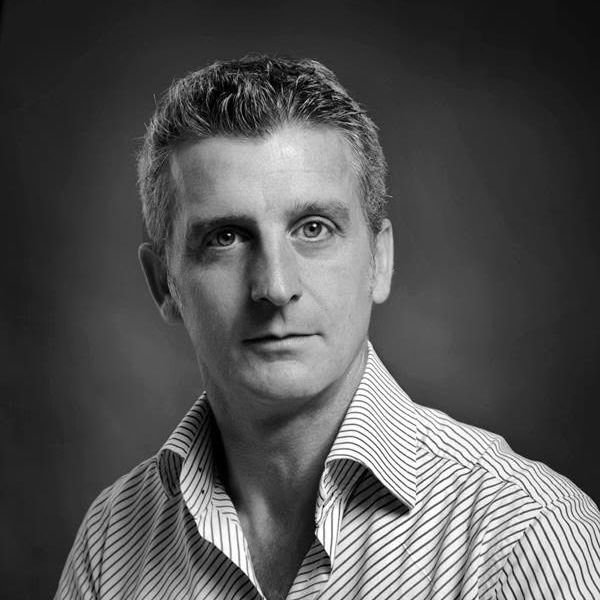
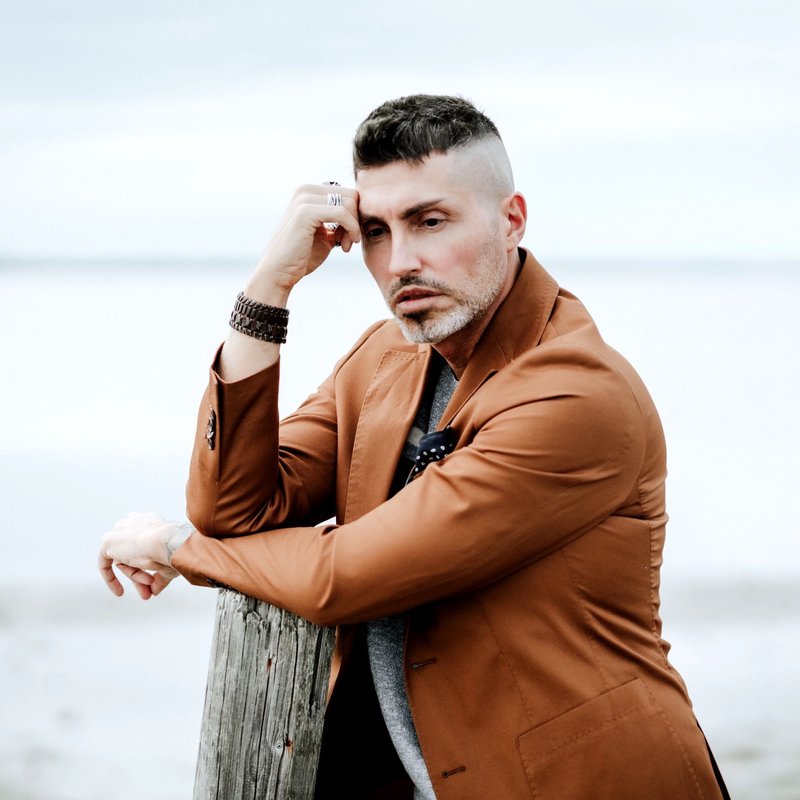
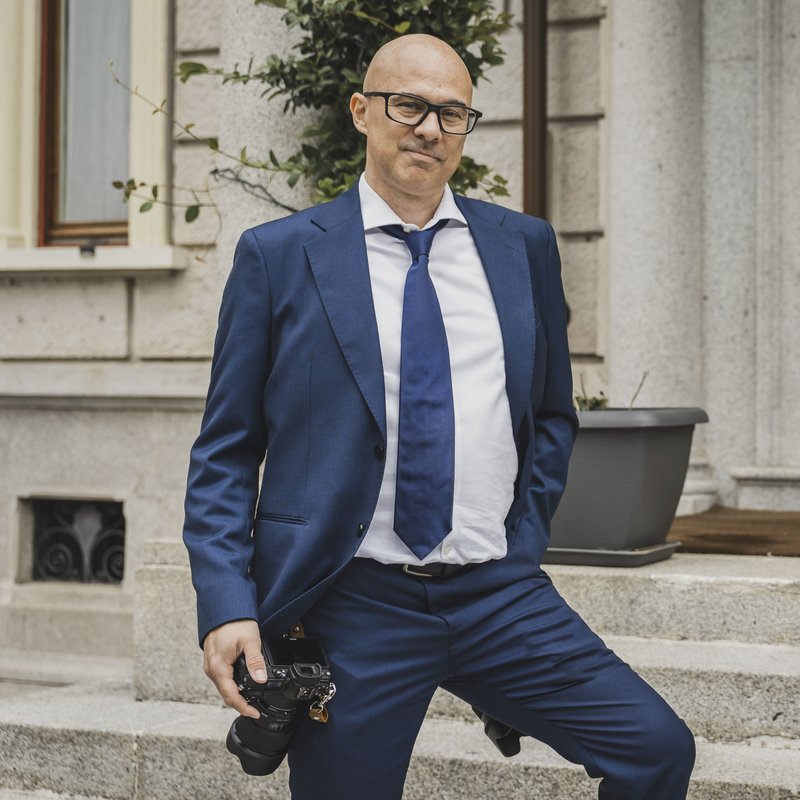
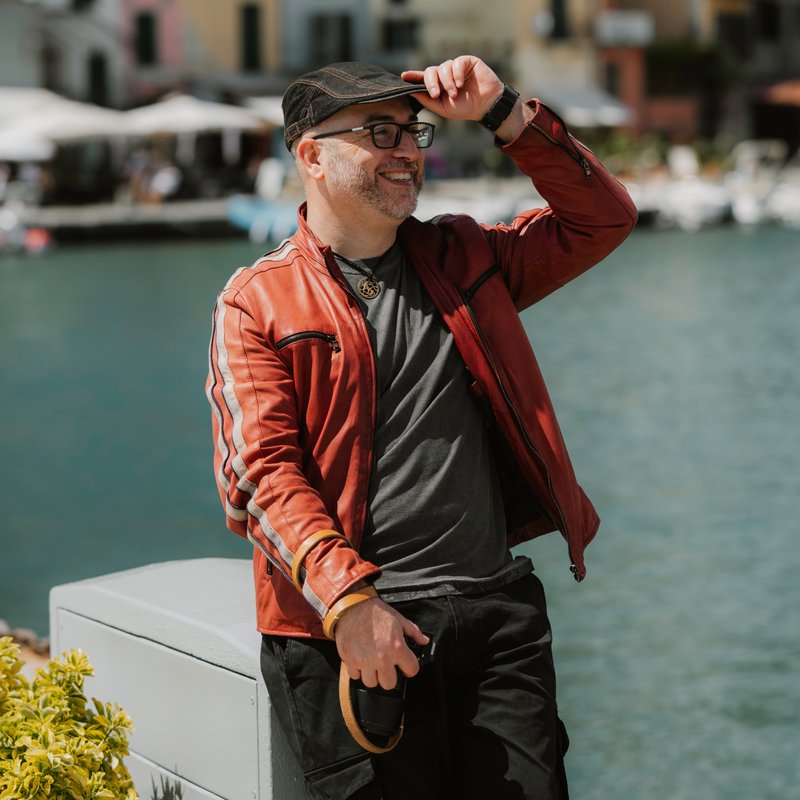
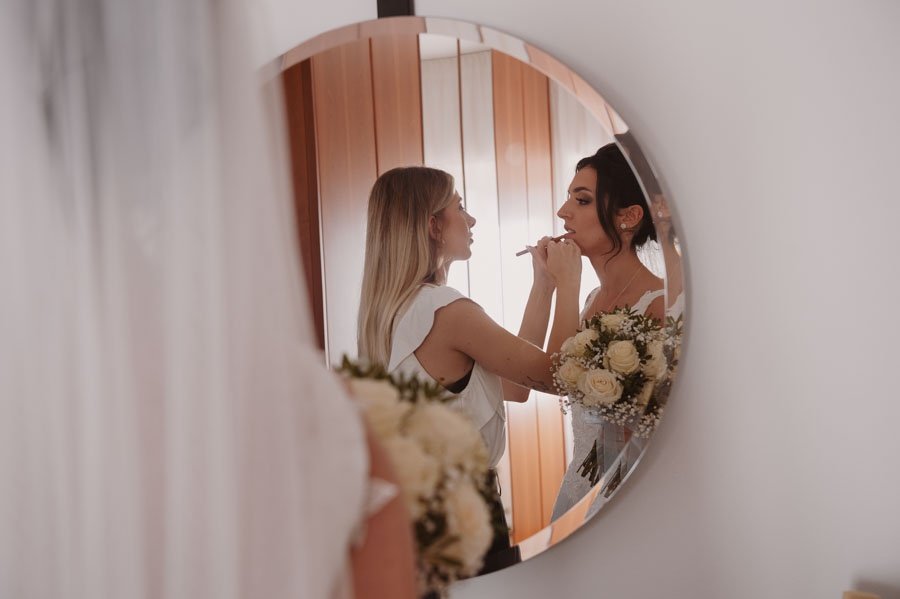
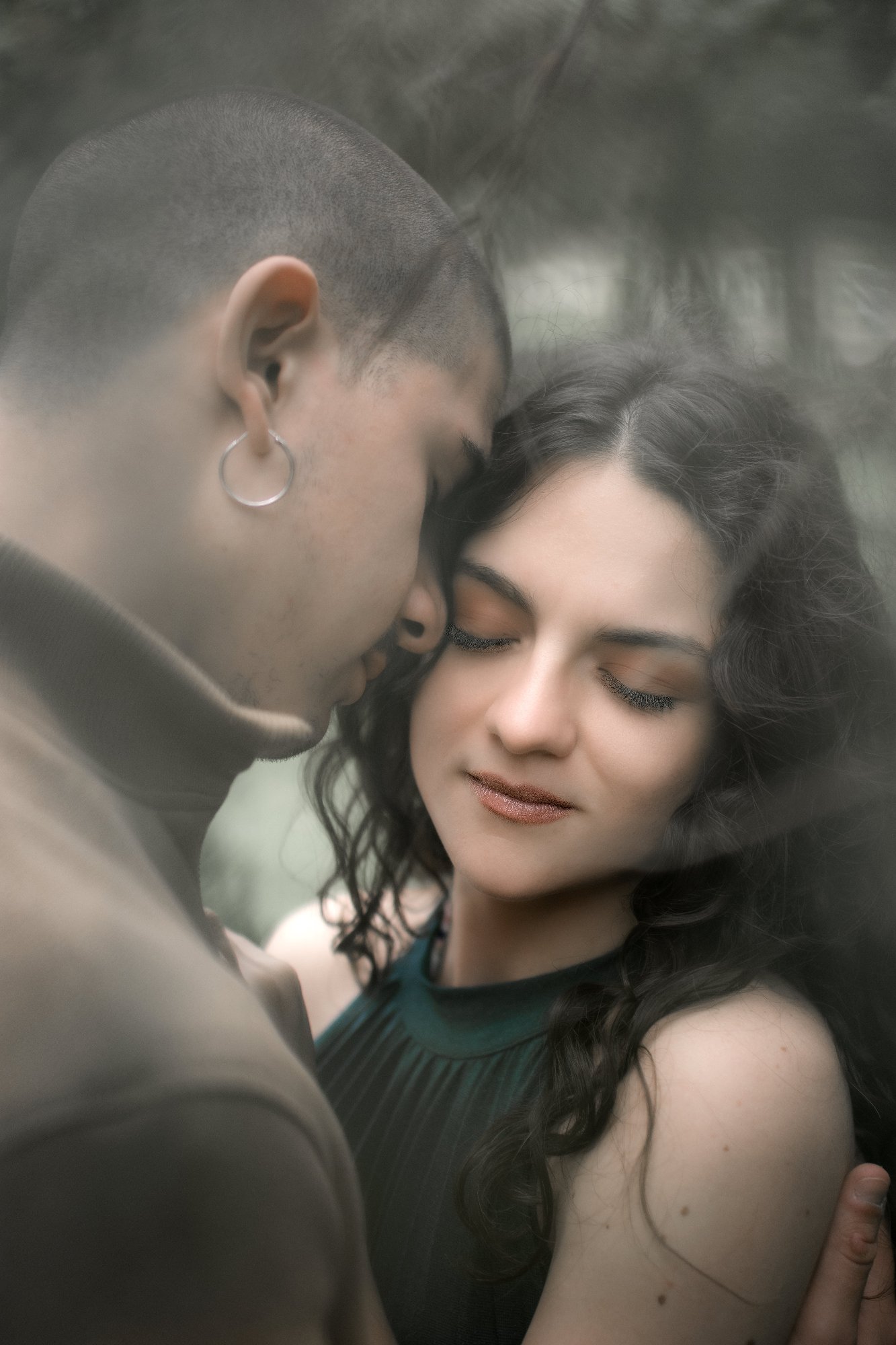
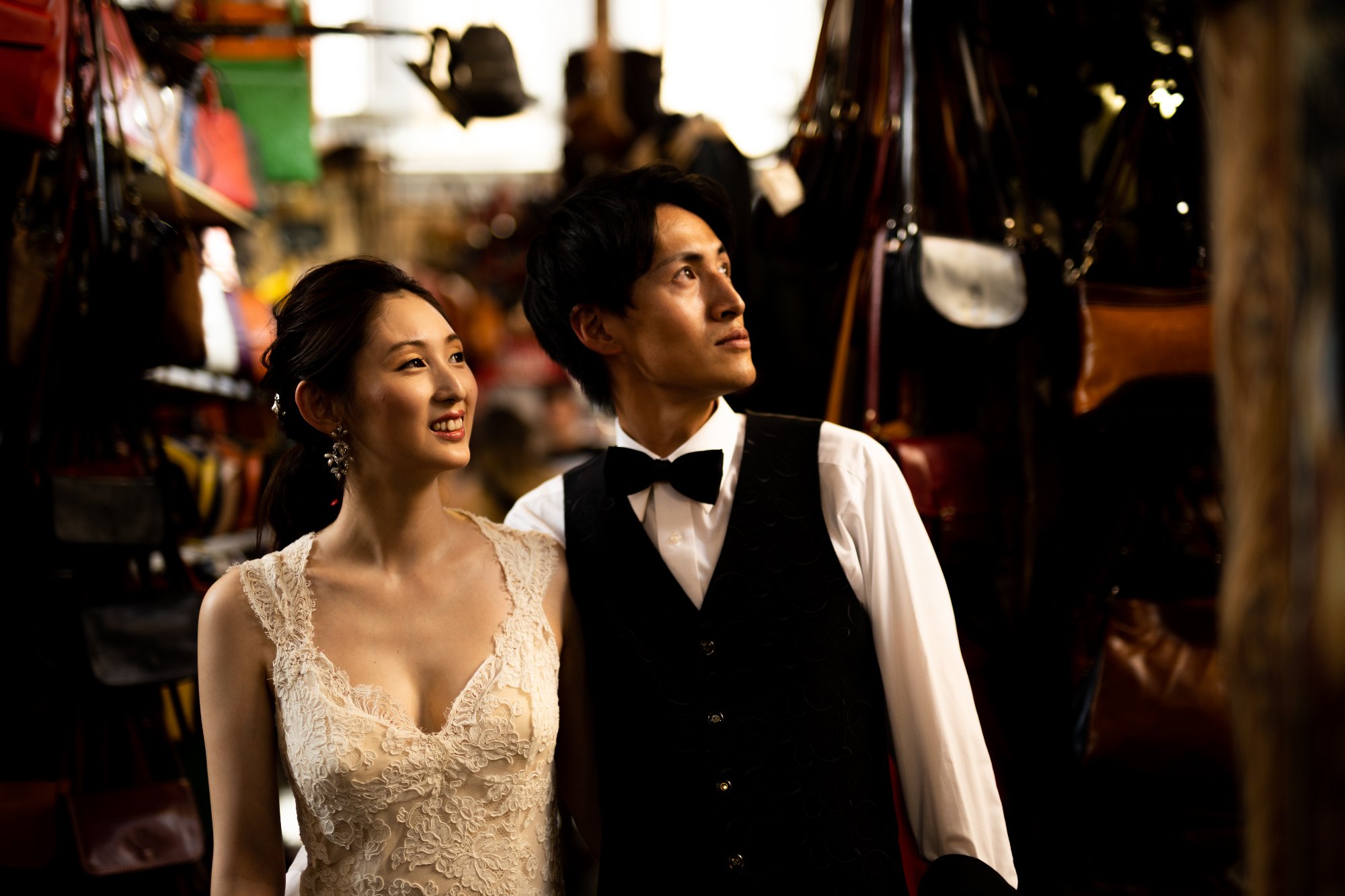
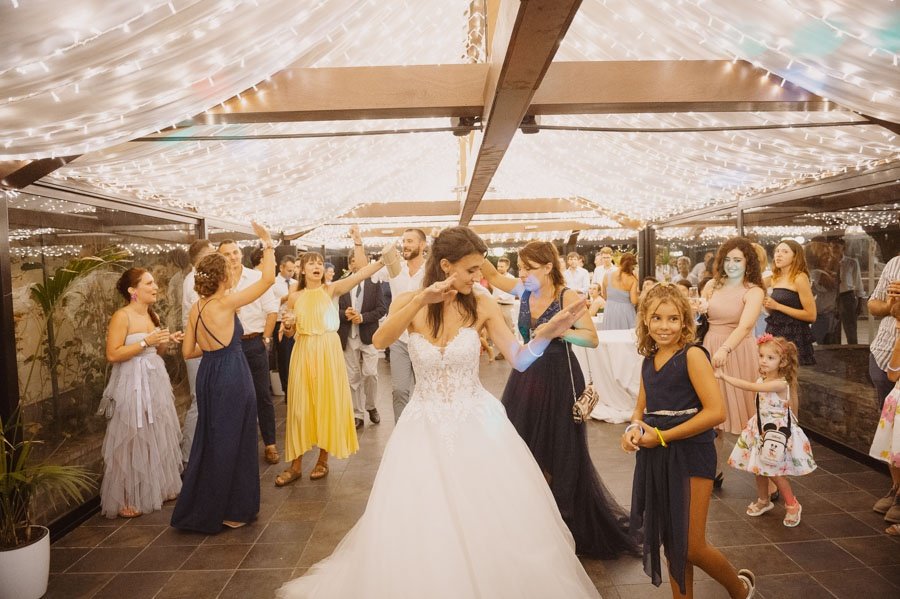
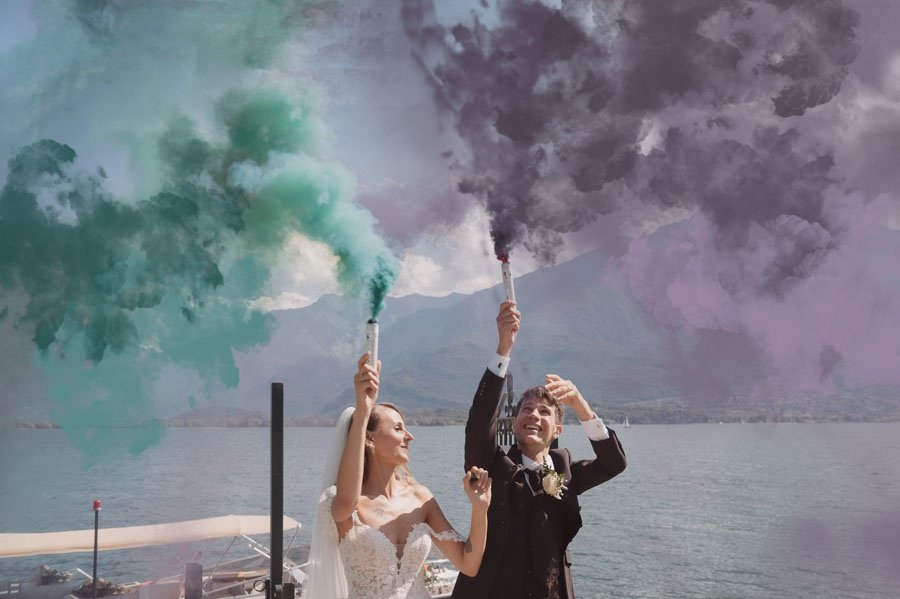
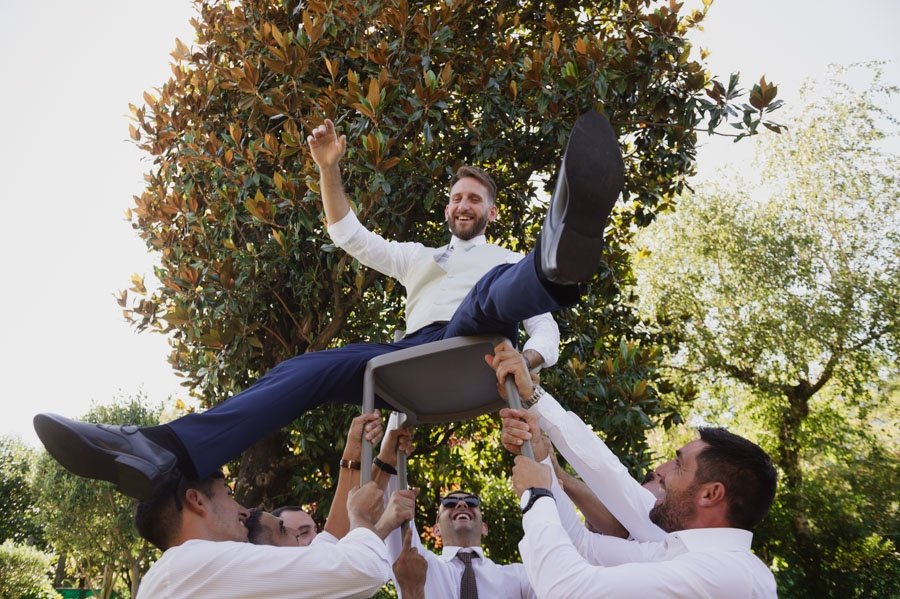
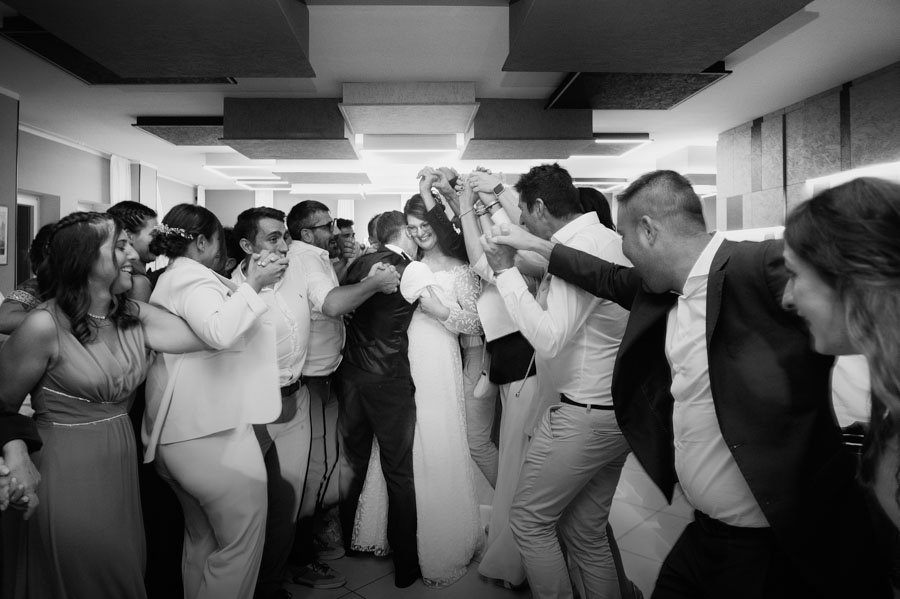
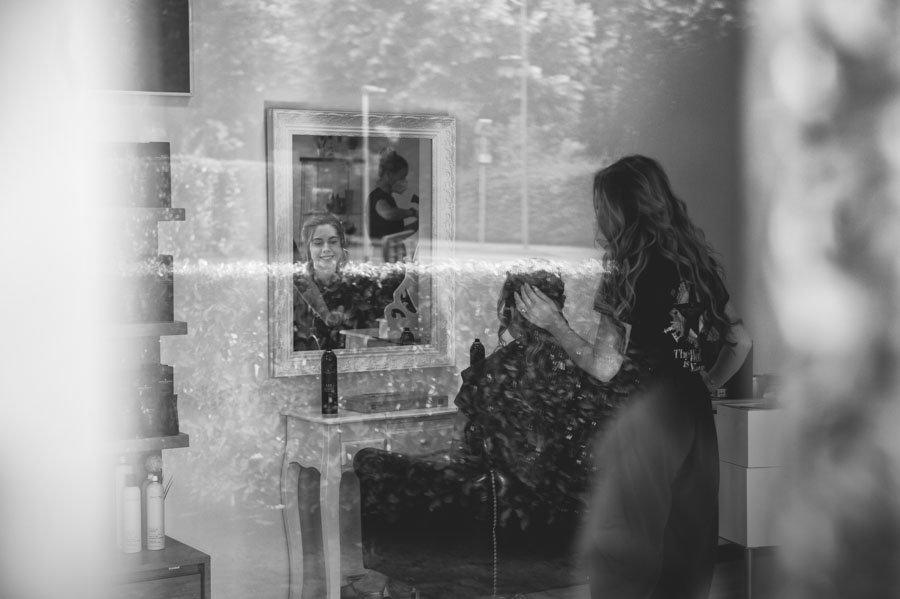
Real shots from Lake Como
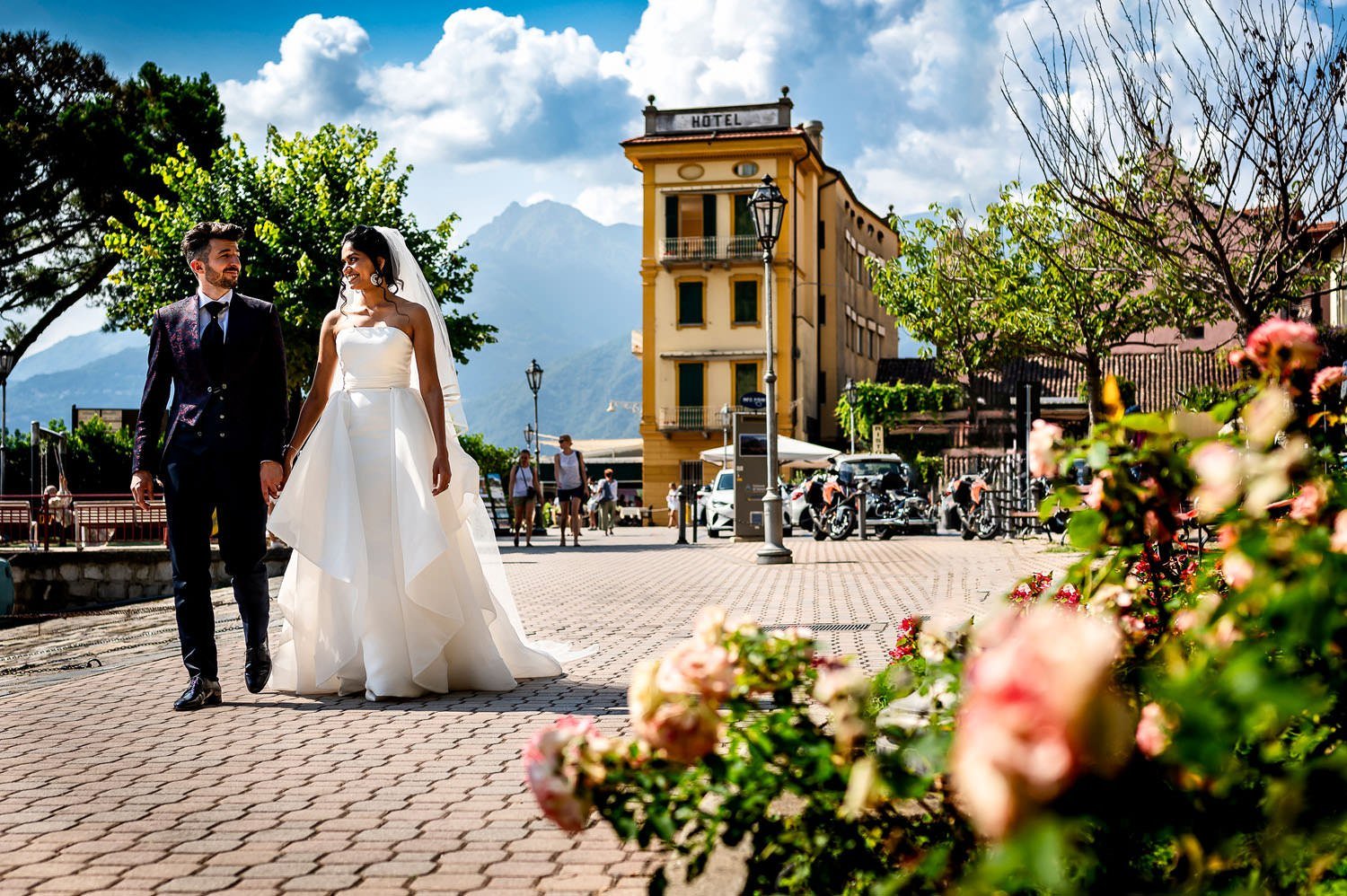
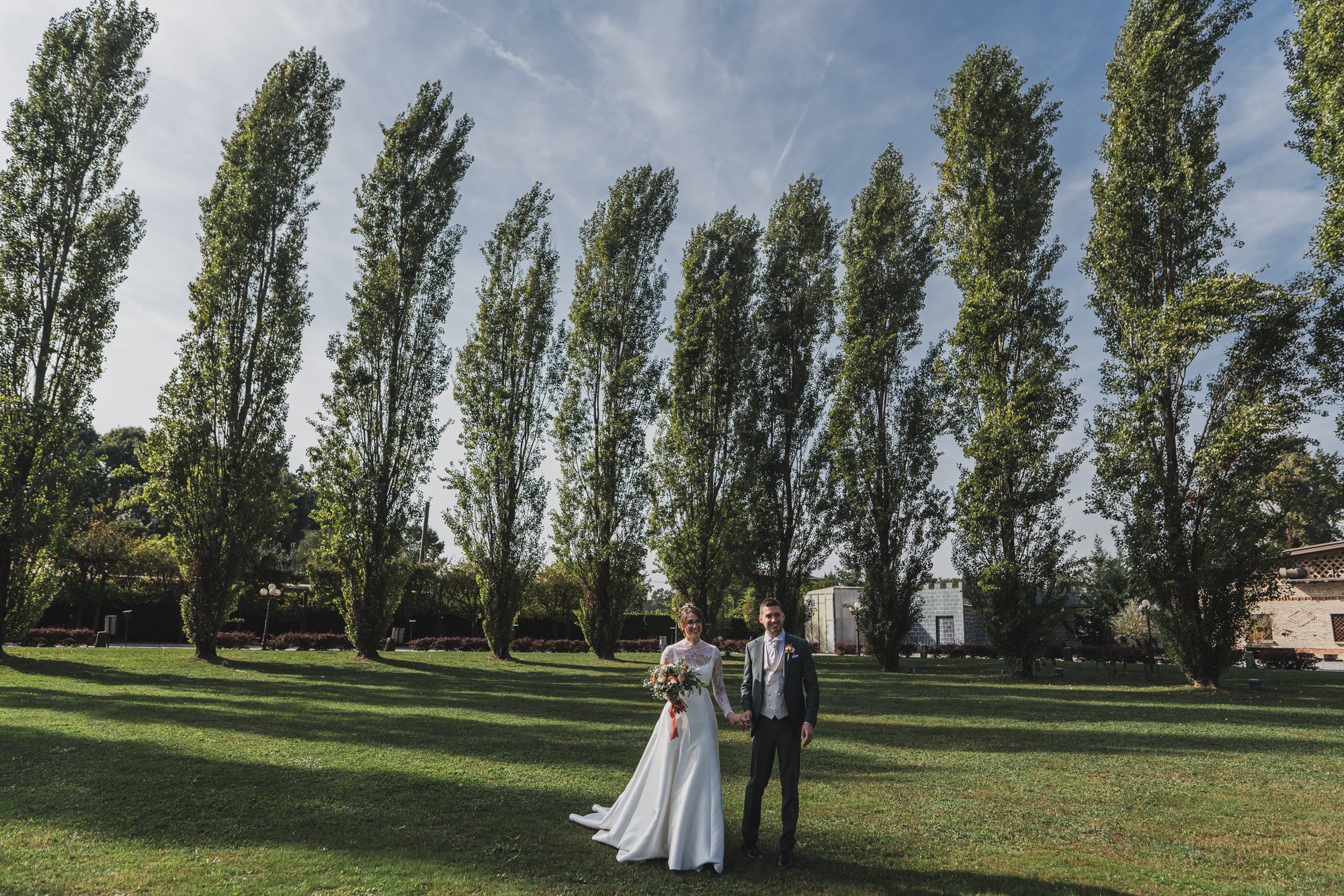
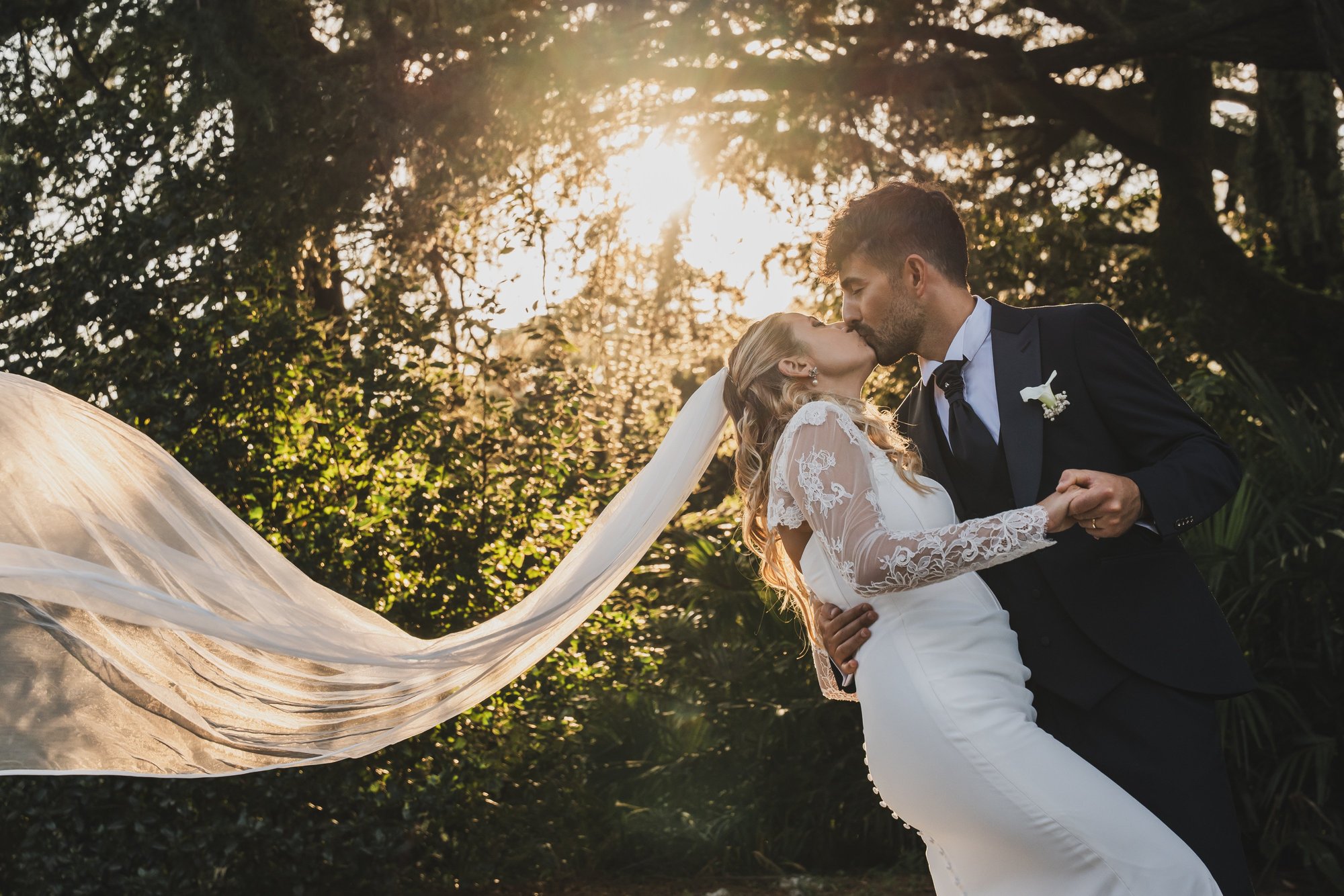
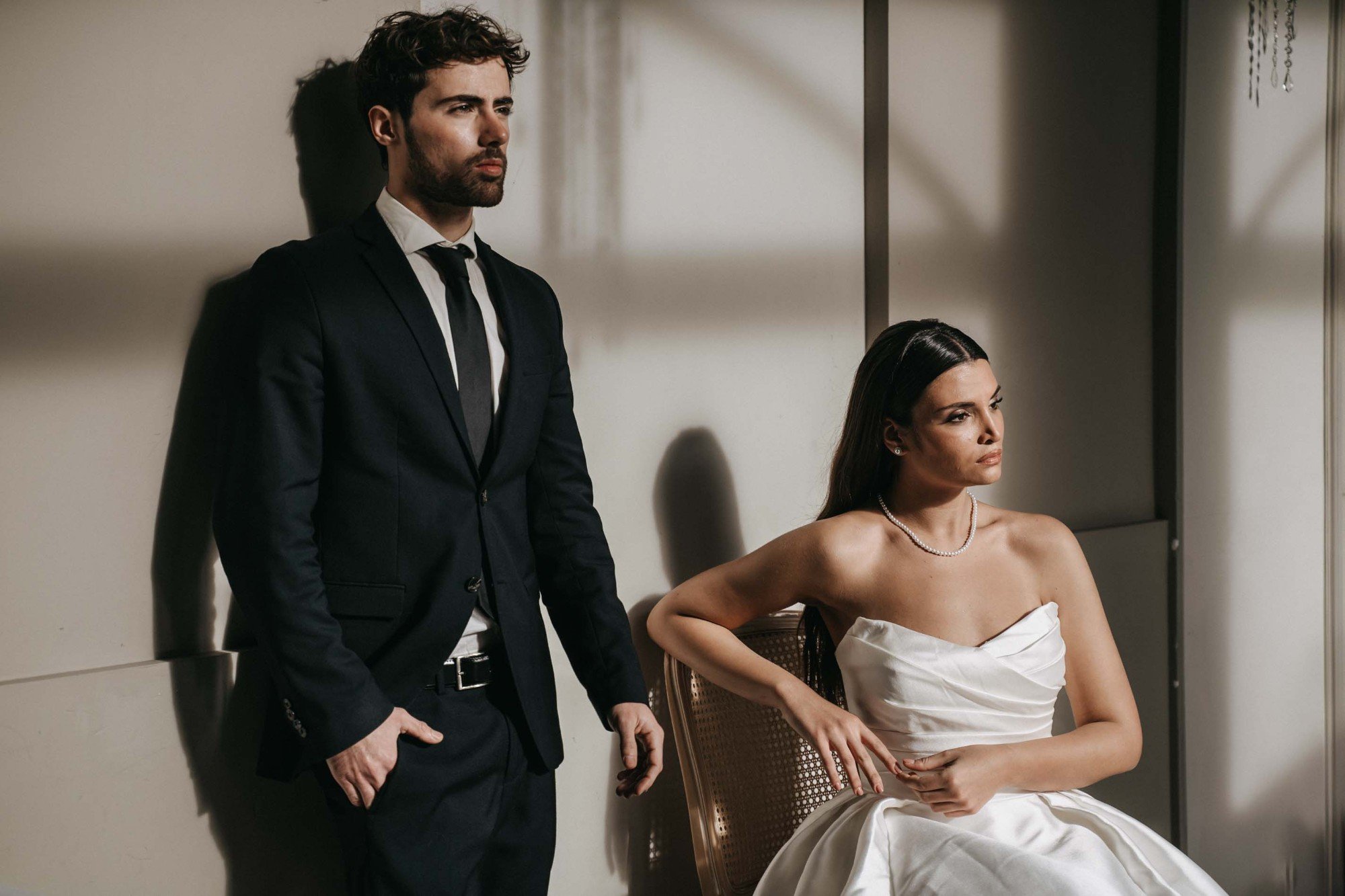
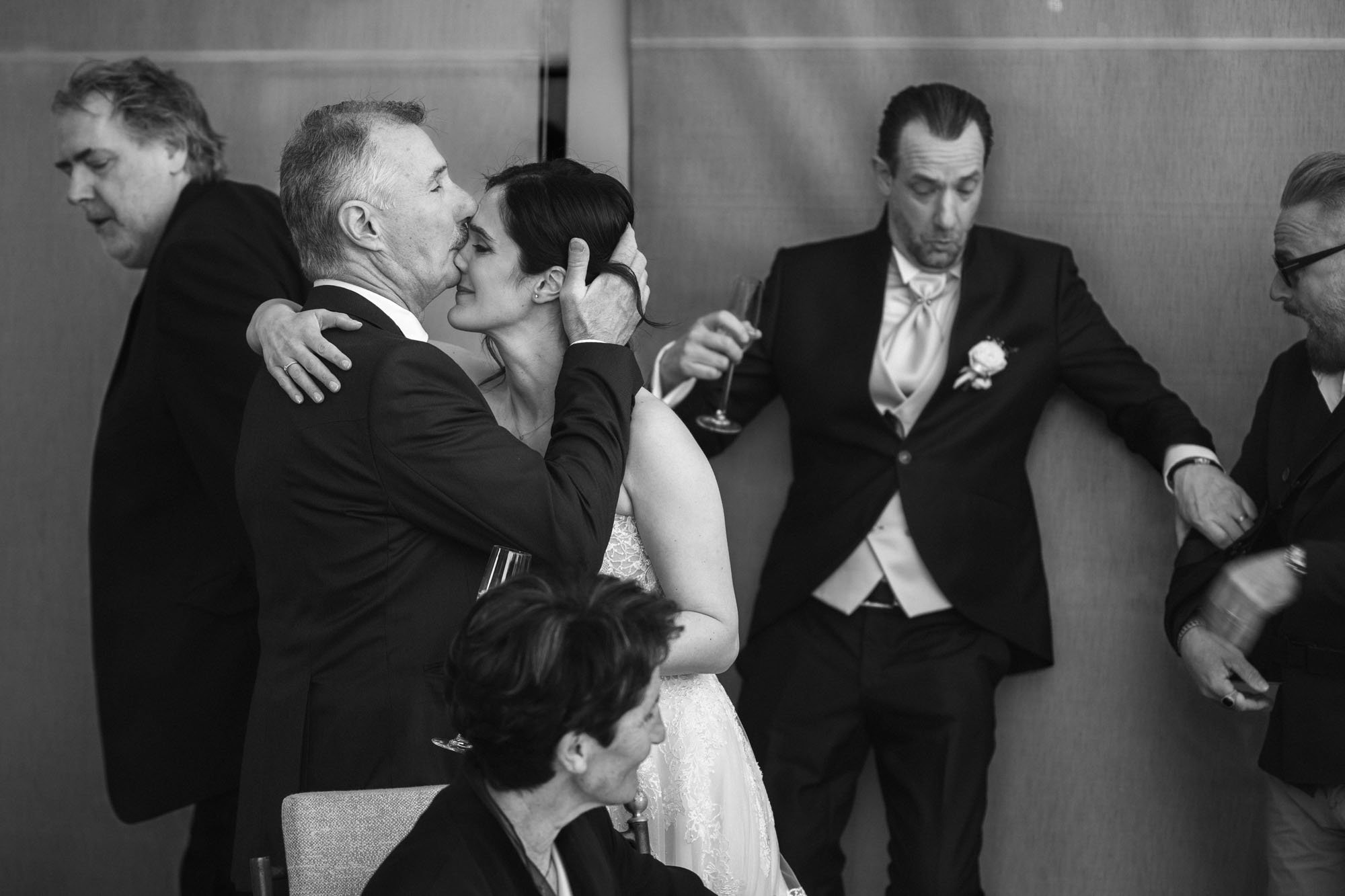
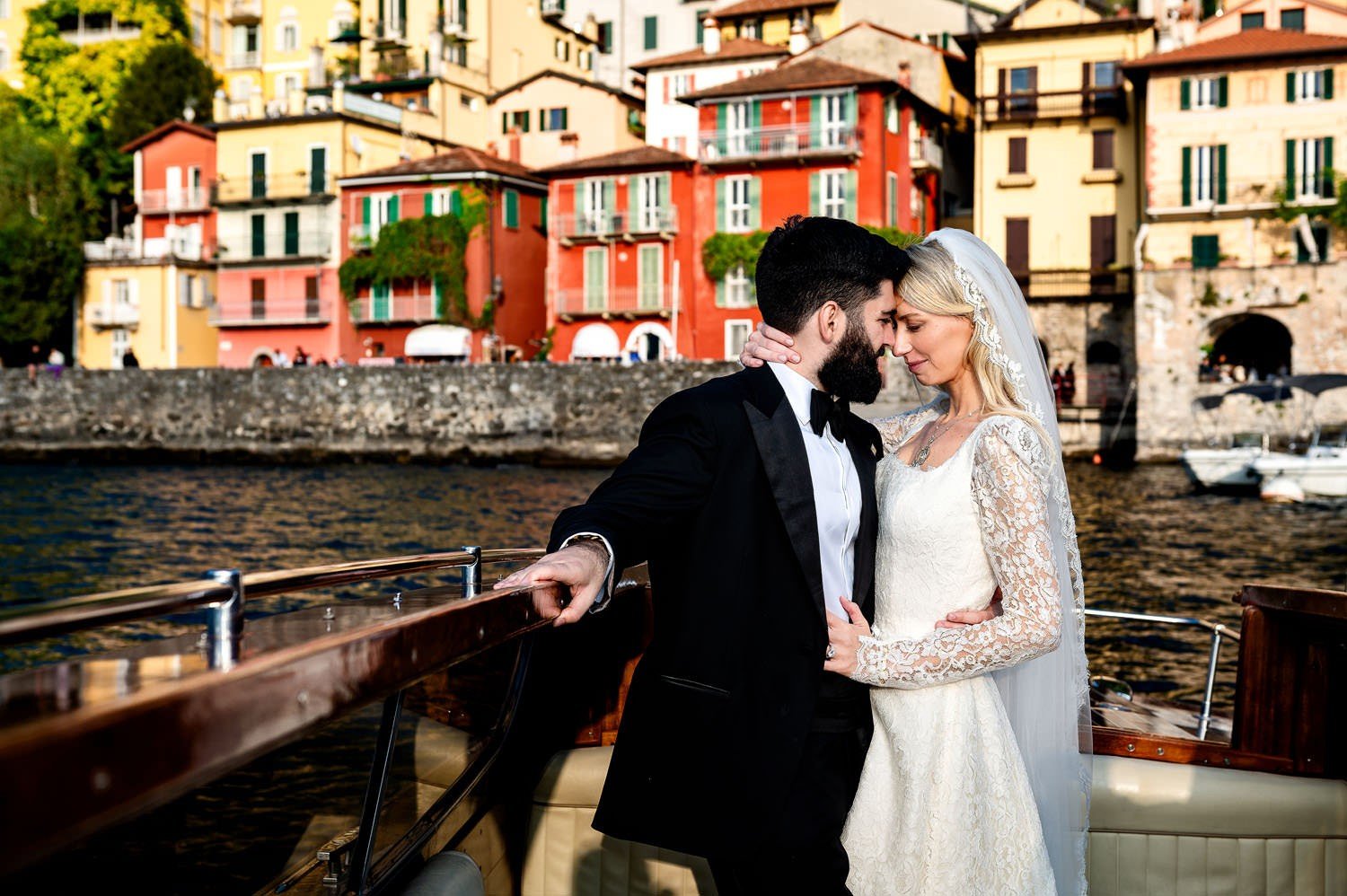
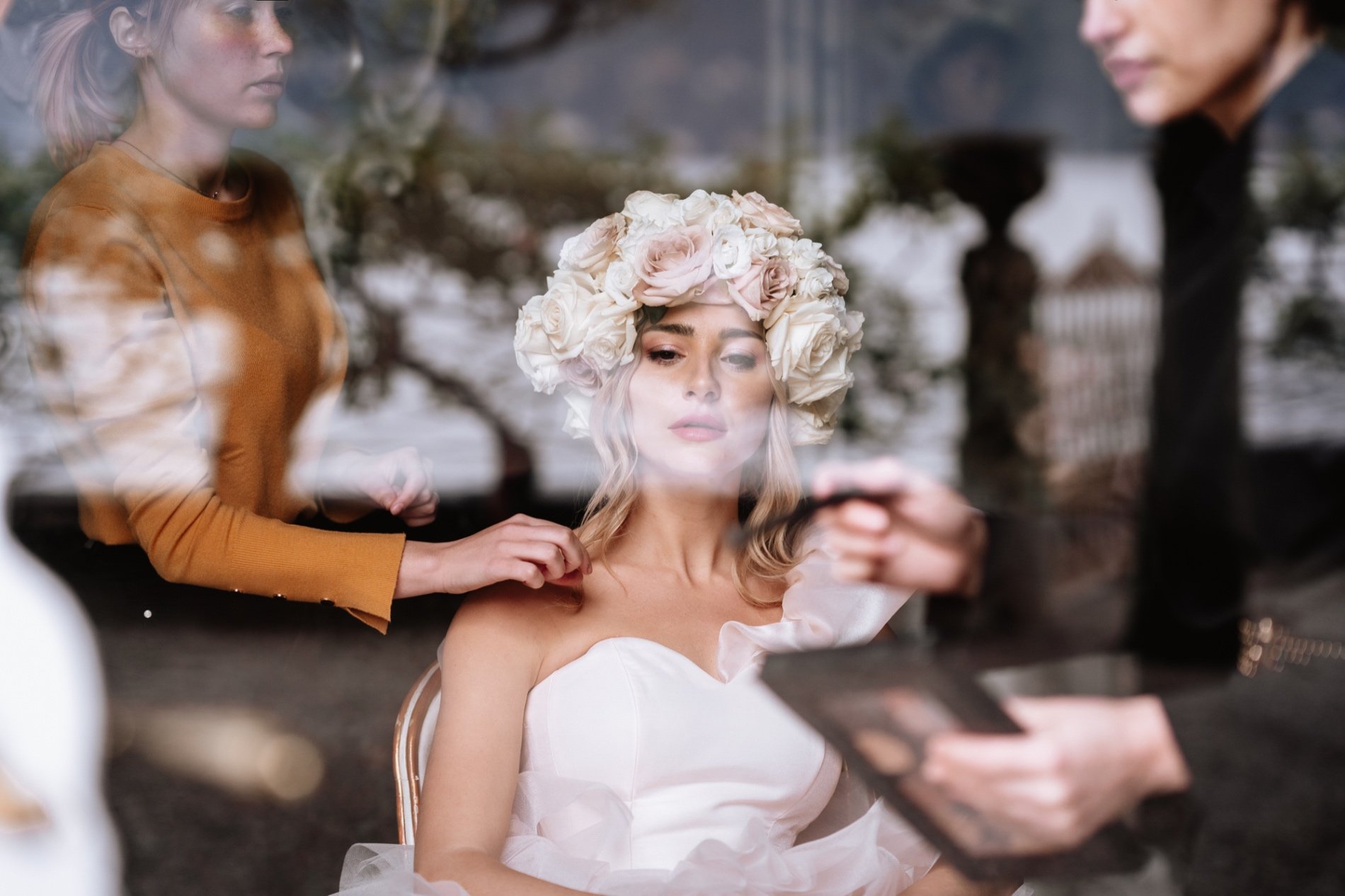
Where Como weddings actually happen
Four stretches of shore carry almost every wedding on the lake, and they photograph very differently.
Tremezzina and Villa del Balbianello. The wooded promontory near Lenno, with terraced gardens stepping down to the water on both sides and a two-arched loggia looking straight up the lake, is the most requested setting on Como and the one that needs the most notice. It is a FAI heritage property with paid, controlled entry: ceremonies and professional shoots are arranged with the villa in advance, never improvised on the day. The walk in from Lenno is about twenty minutes over the headland, or a boat drops you at the water gate. The promontory points south down the lake and takes sun for most of the day; late afternoon models the terraces best. Packages and photographers are on the Lake Como wedding page.
Varenna, on the east shore. Varenna faces west, which on this lake is rare and valuable: it holds direct sun right up to the moment it drops behind the western ridge. The Passeggiata degli Innamorati — the walkway on stilts between the ferry dock and the old village — backlights a couple against open water, and its gentle curve means you can always find a stretch with nobody on it. The Villa Monastero gardens run almost two kilometres along the shore, one long balustraded terrace of cypresses, palms and citrus with the mountains opposite. Monastero is ticketed and effectively a morning venue: for much of the year it closes before the light gets low.
Bellagio. The town stands on the tip where the lake's two southern arms divide, so it has water on three sides and every ferry converges on it. The stepped lanes are the location — Salita Serbelloni is the famous staircase, and Salita Mella and Salita Genazzini, one street either side, are almost identical and almost empty. Because they are narrow and shaded they work at midday when the open waterfront does not. The gardens of Villa Melzi, ten minutes south along the shore, are level, ticketed and quiet.
Como and Cernobbio at the southern end. The practical choice when guests fly into Milan: forty minutes from the airport road, a real town with hotels, and grand lakeside villas along the Cernobbio shore. It reads less dramatic than the mid-lake, but nobody spends the morning on a boat.
The light: the ridge matters more than the sunset time
Como is a flooded glacial trench with walls rising straight out of the water, and that geometry rewrites the day. Published sunset is not when the light leaves. On the east shore in summer the ridge takes the sun thirty to fifty minutes early; on the west shore, morning arrives late for the same reason. Anyone who works this lake plans to the ridge line, not the almanac.
The consequence is simple. West-facing shores hold light latest. East-facing shores lose direct sun first but gain a long, soft, shadow-free window in exchange — and that window is not a consolation prize. Backlit haze over the water at six on a September evening is some of the best portrait light in Italy, and it lasts far longer than a golden hour does inland.
Blue hour here is short and worth putting in the schedule: roughly twenty minutes after the sun clears the ridge, when the water goes pewter, the village lights come on and the mountains still hold their shape.
Boats and ferries: the part that breaks timelines
Everything on this lake moves by water, and this is where wedding days come apart.
- Public ferries link Varenna, Bellagio, Menaggio and Cadenabbia in ten to twenty minutes, but they run to a timetable that thins in the evening and out of season, and the car ferries are a separate service from the fast passenger boats. Two hours is a realistic allowance for moving a group between two villages and back.
- A private boat removes the timetable and doubles as the best portrait set on the lake — a wooden launch, the couple in the stern, mountains closing behind. Twenty-five minutes on the water at the end of the day is usually enough.
- Wind. The lake breathes twice a day. The tivano comes down from the north early and dies away; the breva pushes up from the south through the middle of the day and leaves the surface choppy by mid-afternoon. Mirror-flat water is a morning phenomenon. If the picture in your head is an unbroken reflection, it happens before ten.
- Roads are slower than the map suggests: single lane, walled, and full of buses. Como to Bellagio is forty kilometres and comfortably seventy minutes.
What clients say about this kind of shoot
A sure thing! From the very start Magda was a precious ally, helping us and giving us really useful suggestions as she imagined our wedding day together with us. On the day itself her presence was discreet and gentle, and her smiles helped ease our nerves. As soon as we saw the photos it felt like reliving every moment: the emotion of the hugs, the glances and the smiles that Magda captured fill our hearts every time. A huge thank you for helping us create memories that will never fade!
— Silvia on Magda M.
More than satisfied! Very professional, helpful and attentive to the couple's requests. He was right on time in the morning and stayed with us until the evening. A constant but discreet presence: he took loads of really beautiful photos without being intrusive. 10 out of 10!
— Davide on Fabrizio A.
A safe bet! We had already seen Magda at work at other weddings and knew she would be perfect for ours too. Super discreet, very empathetic and truly attentive. She was by our side throughout our day with incredible professionalism. Obviously, highly recommended to anyone looking for a professional for their wedding.
— Lucia on Magda M.
Highly recommended! We got on well with Fabrizio from the moment we decided to put our trust in him; we liked him straight away for the way he described his work to us. He has years of experience behind him and it shows: on our wedding day he was very professional and at the same time always put us at ease. Our couple photo session was a time for us to unwind and have fun. During the reception Fabrizio was always there and not at all intrusive, and he told the story of our day through his photos. We recommend him very highly!
— Simona on Fabrizio A.
Yana was incredible to work with during our Rome photoshoot. She made the experience fun and relaxed, and the photos turned out beautifully—natural, romantic, and full of emotion. We're so grateful to have these memories captured so perfectly. Thank you Yana!
— Nerissa & Aveer on Yana V.
A magnificent experience Magda guided us with professionalism and sensitivity from our very first meeting. Thanks to the pre-wedding photo shoot we got comfortable in front of the lens, so we were at ease on the wedding day. She managed to capture the emotions and the most important moments, with her constant and discreet presence. Highly recommended!
— Giulia on Magda M.
A timeline that survives the lake
For a September wedding on the mid-lake, this shape holds up:
| Time | Item | Why |
|---|---|---|
| 13:00–14:30 | getting ready | quiet reportage, details, no travel |
| 15:00 | first look | the emotional frame, in shade, before guests |
| 16:30 | ceremony | sun off the vertical, faces without hard shadow |
| 17:30 | aperitivo on the terrace | reportage time, guests relaxed |
| 18:30–19:00 | boat portraits | 25 minutes on the water, warm light on the ridge |
| 19:30 | blue hour on the quay | 20 minutes, village lights on |
| 20:00 | dinner and speeches | candlelight, festoon lights |
The first look earns its place on Como more than almost anywhere, because it lifts the most emotional frame of the day out of the travel schedule entirely. The boat slot is the one to defend: if the ceremony runs twenty minutes late, take the twenty minutes off the aperitivo, not off the water.
What has to be arranged in advance
Como is a lake of private and heritage property, and very little of it is a free-for-all. Villa gardens are ticketed. FAI properties take bookings for ceremonies and professional shoots months ahead, and the summer dates go first. Several comuni hold civil ceremonies in villa settings, each with its own paperwork and lead time. Hotel terraces belong to the hotel. None of this is difficult — it simply cannot be decided in the week before, and it is the first conversation to have with a planner or with your photographer. The questions to ask a wedding photographer before you sign covers the contract side of the same conversation.
If the guest list is the two of you and a witness, these settings work with radically less planning: see the Lake Como elopement page and the elopement photographers.
Book it
For a full wedding day, start on the weddings page — coverage, a second photographer and the enquiry all run from there, and the quote follows hours, venues and travel rather than a list price.
For everything around the wedding — the welcome dinner, the morning after, an engagement hour on the Lovers' Walk — a short session is simple: from €415 for a Quick Booking, or from €460 for one hour and €635 for two with a package. A photographer is assigned within 24 hours of booking, and the edited gallery usually arrives about a week after the shoot. You can browse photographers directly, or read the Lake Como photography guide for the spot-by-spot version. Guests flying via Milan often add a city hour before they drive up.
Frequently asked questions
When is the best month for a wedding on Lake Como?
May, June and September are the reliable months, and September is the quiet favourite: the crowds thin after the second week, the light sits lower all day, and faces are flattered from mid-afternoon rather than only at sunset. July and August are hot, busy and hazy, with full ferries. October gives colour and mist, but the evening light disappears behind the ridge very early.
Do we need permission to photograph at Villa del Balbianello?
In practice, yes. Balbianello is a paid FAI heritage property, and professional or wedding photography on the grounds is arranged with the villa in advance rather than covered by a visitor ticket. Ceremony dates there book months ahead. The free alternative is the water: a taxi boat circling the promontory gives you the loggia, the terraces and the gardens from angles the garden ticket never reaches.
How long do we need for portraits between two villages?
Allow two hours if the villages sit on opposite shores, and read that as travel plus about twenty-five minutes of actual photography. A public ferry is ten to twenty minutes each way but runs to a timetable; a private boat removes the waiting and becomes the portrait set itself. If the timeline is tight, keep portraits in one village and use the water only for the closing twenty minutes.
What happens if the weather turns?
Usually the pictures improve. Low cloud sitting on the mountains is the Como that people actually remember, rain on the stone quays reads beautifully, and villa loggias and Bellagio's covered stepped lanes give shelter without losing the setting. What weather really changes is the boat — choppy water or a storm cancels the crossing — so agree a plan B with your photographer while the timeline is still being written.
Want professional photos on Lake Como?
Browse portfolios, compare packages, and book a verified local photographer in minutes.