Photographing Milan: Where and When to Shoot
Rome hands you gold. Florence hands you stone the colour of bread. Milan hands you geometry, and if you arrive expecting the other two you will blame the city. Milan is graphic: white marble against a grey sky, a glass vault over a mosaic floor, three towers drawn with three different instruments. It rewards clean lines, symmetry and a photographer willing to point the camera up. It is also the easiest city in Italy to work in, which matters more than it sounds.
4 photo spots in Milan — click a pin to open the full guide
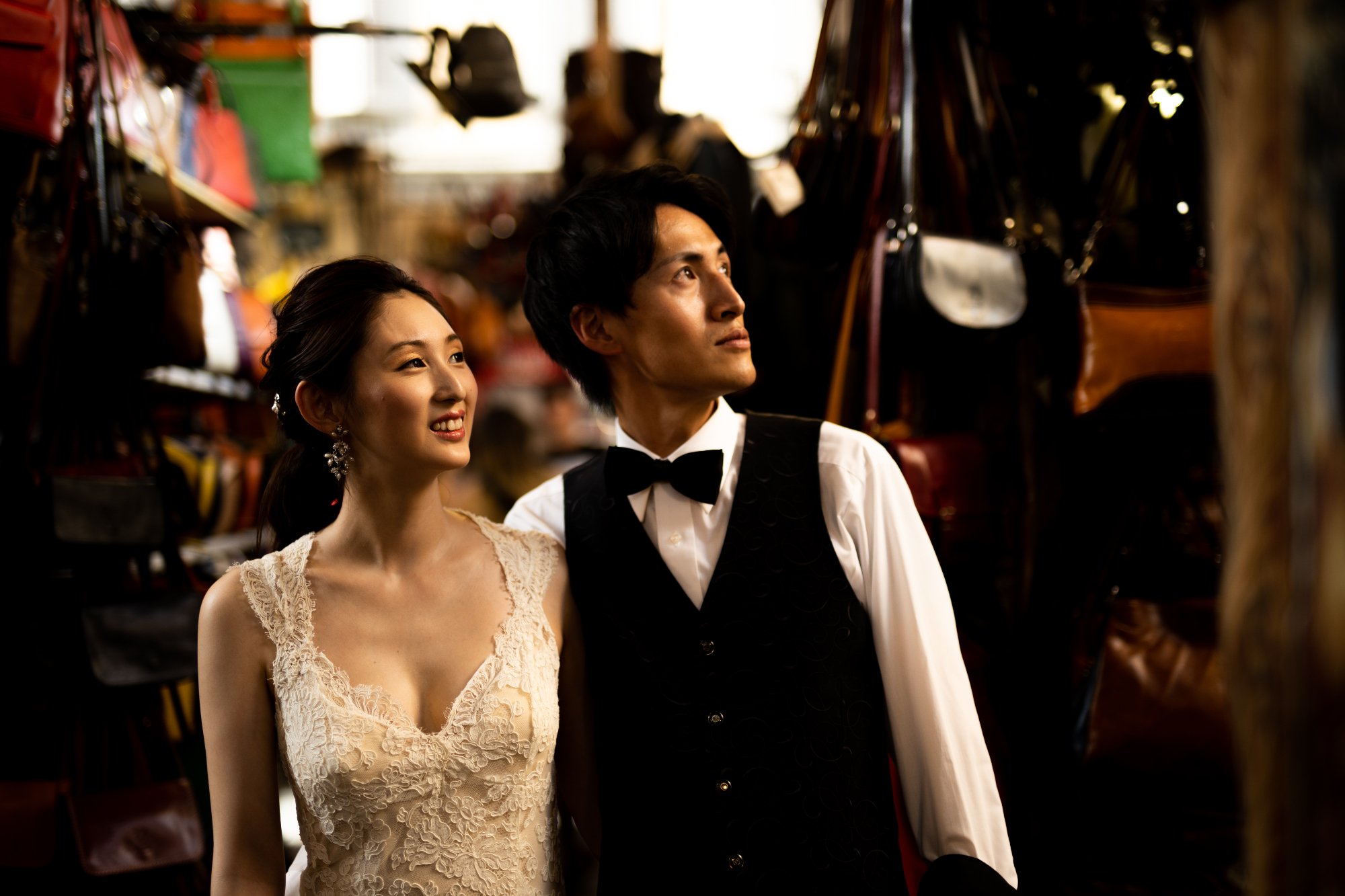
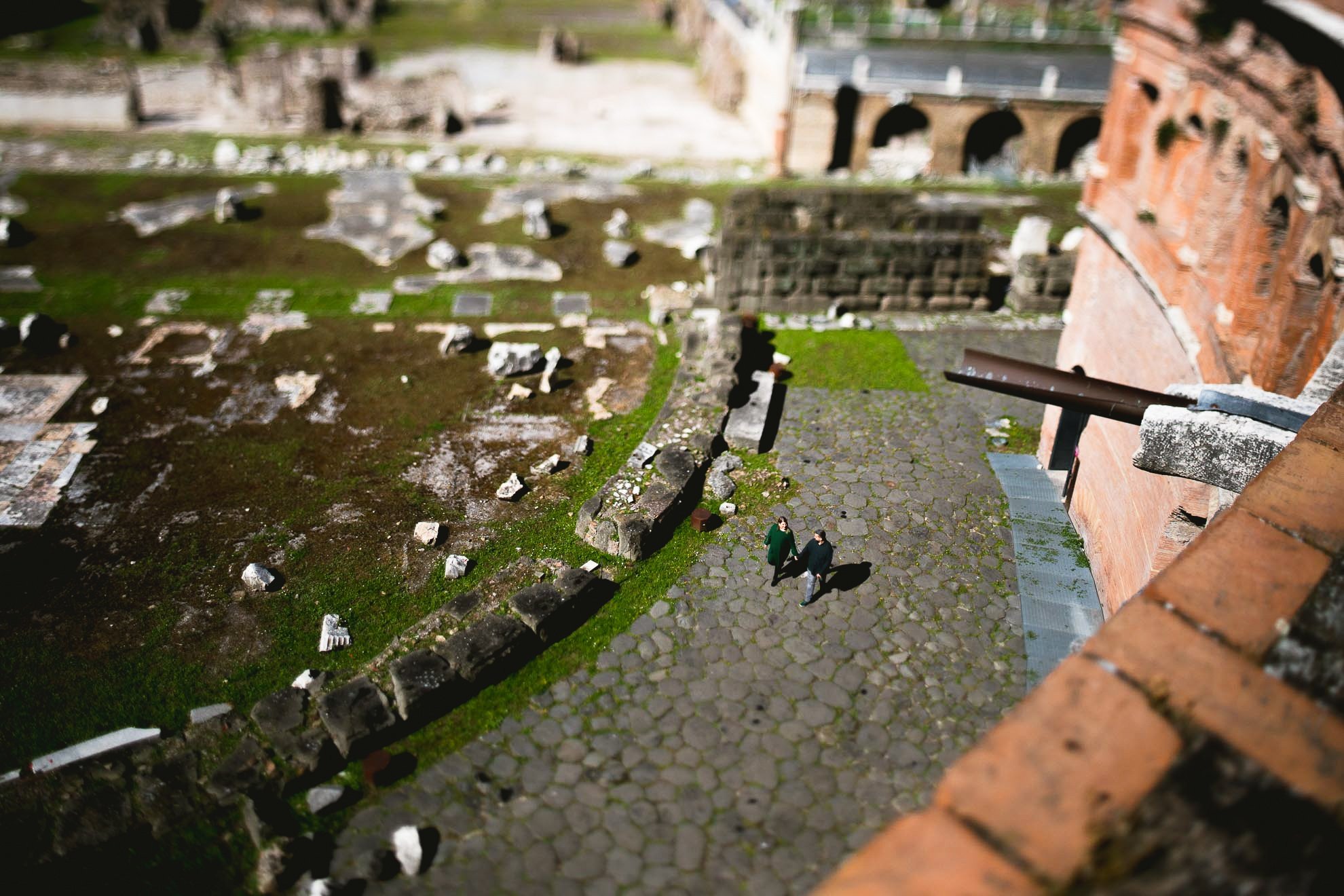
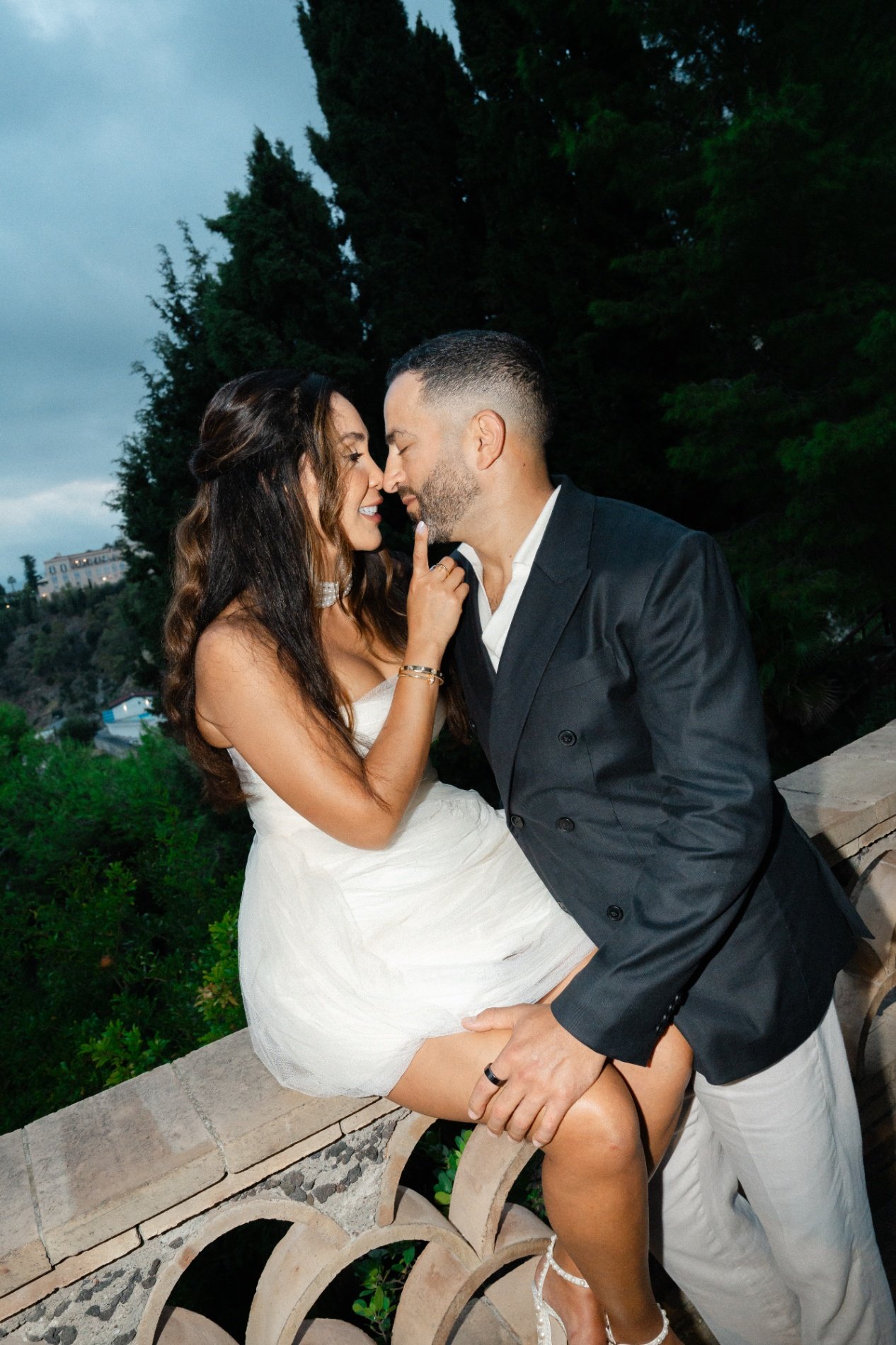
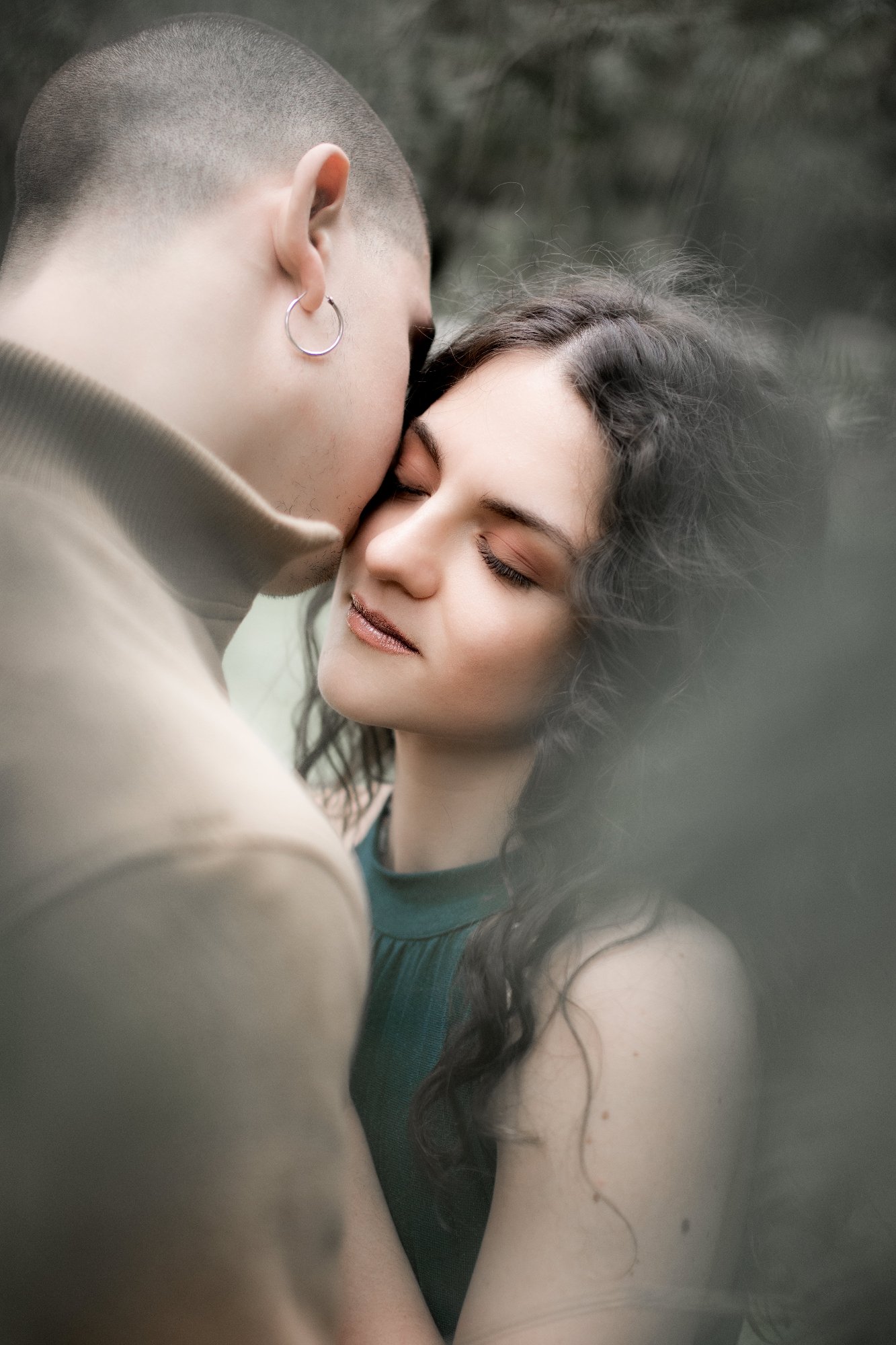
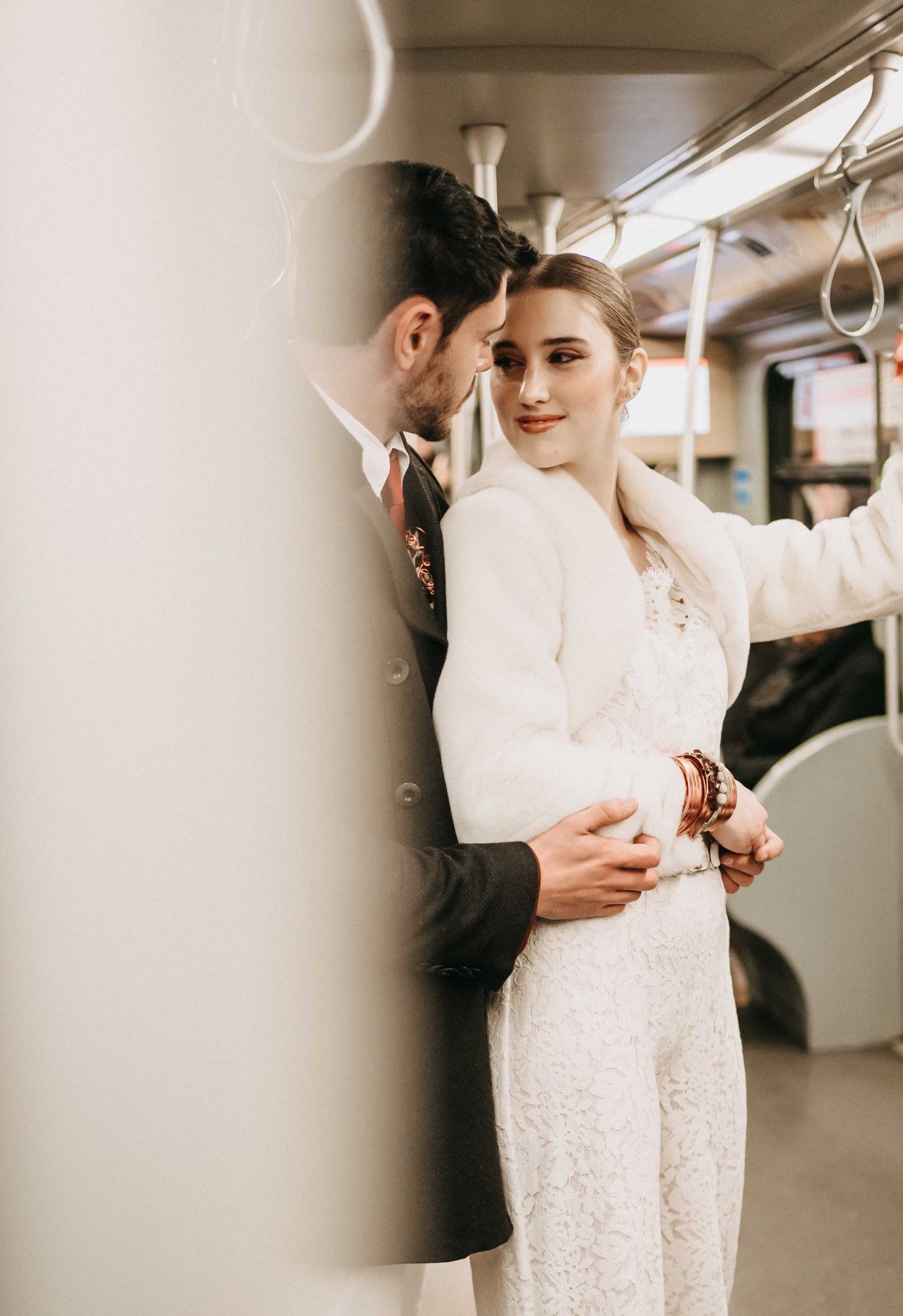
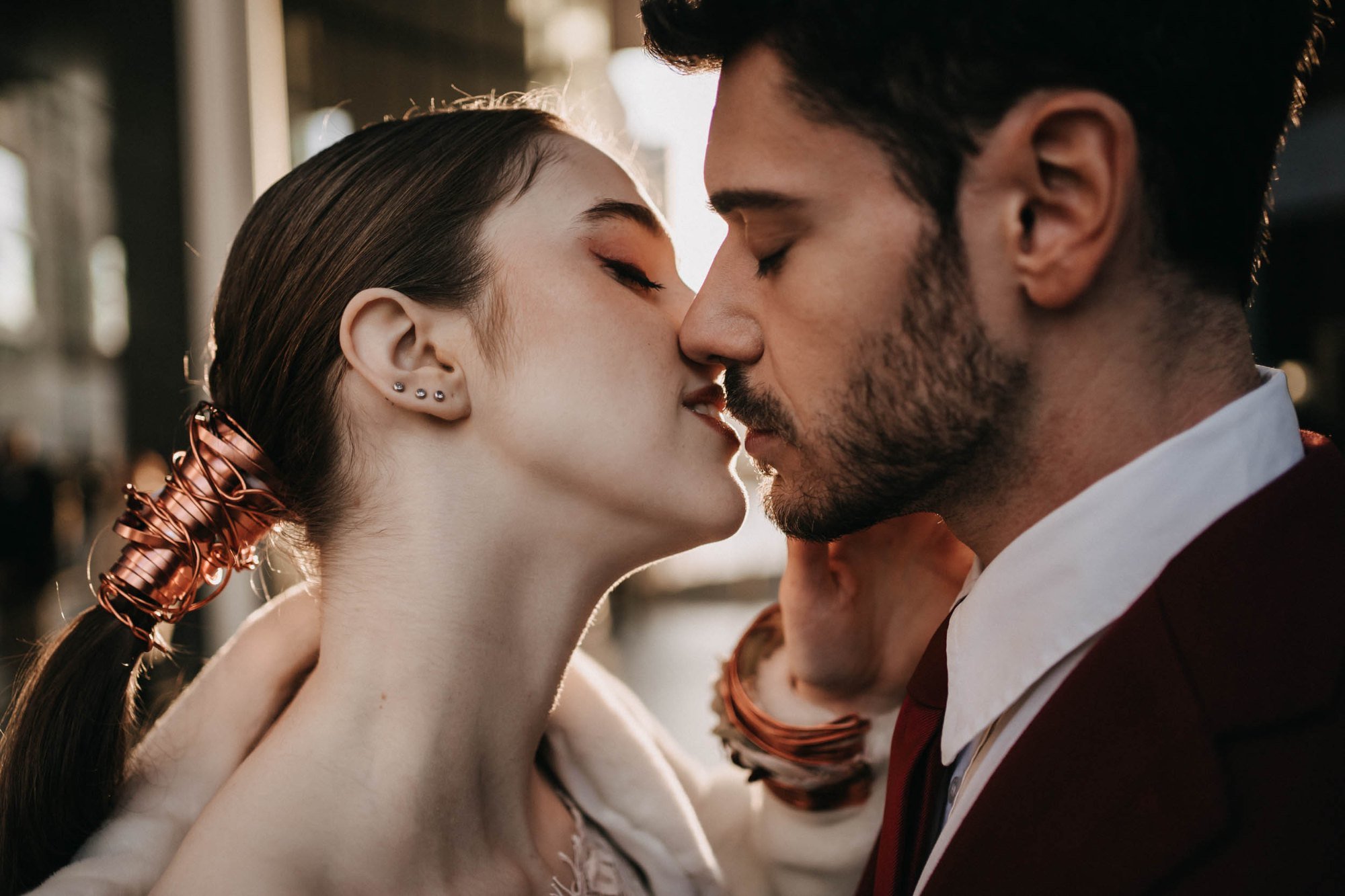
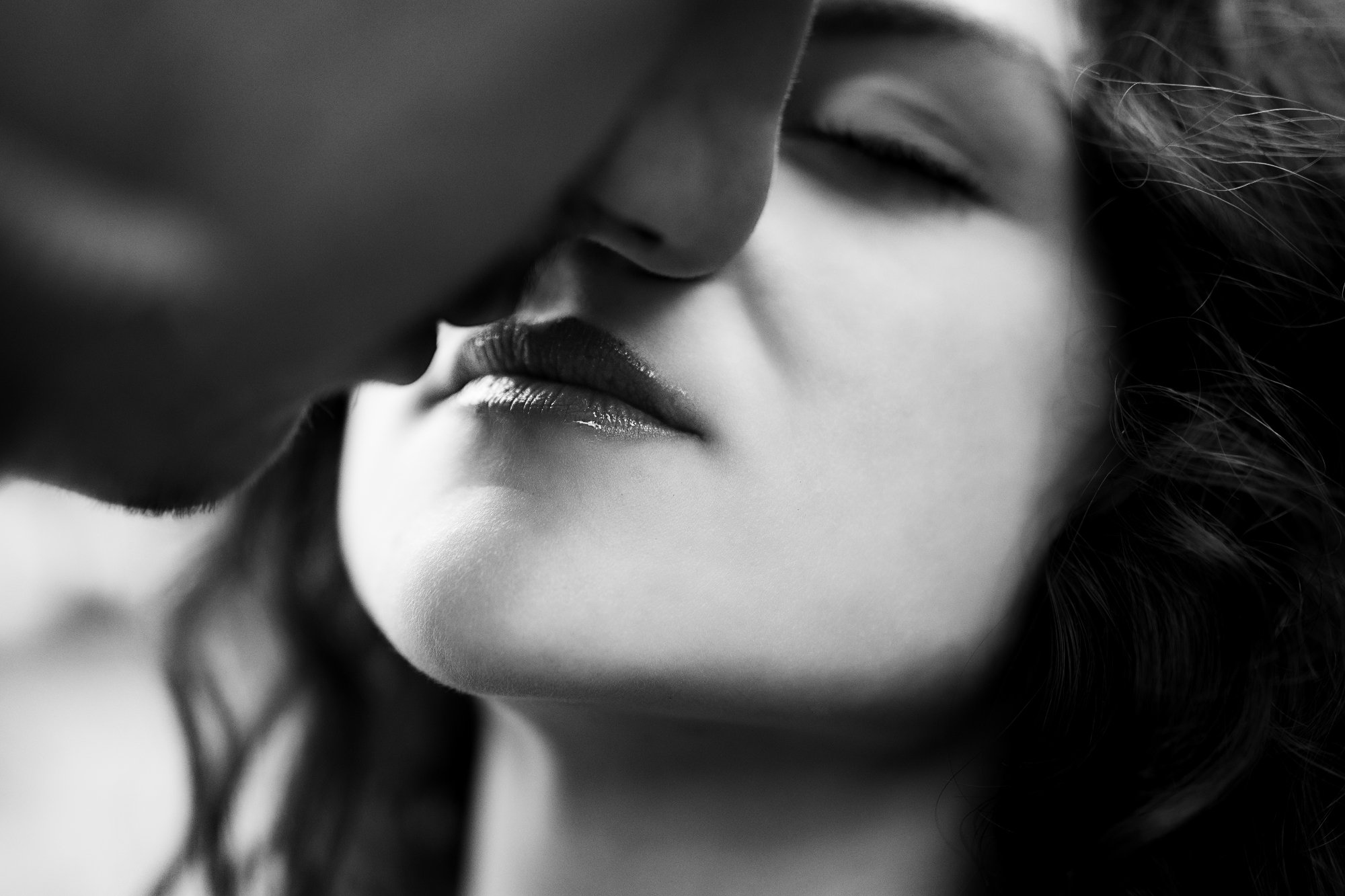
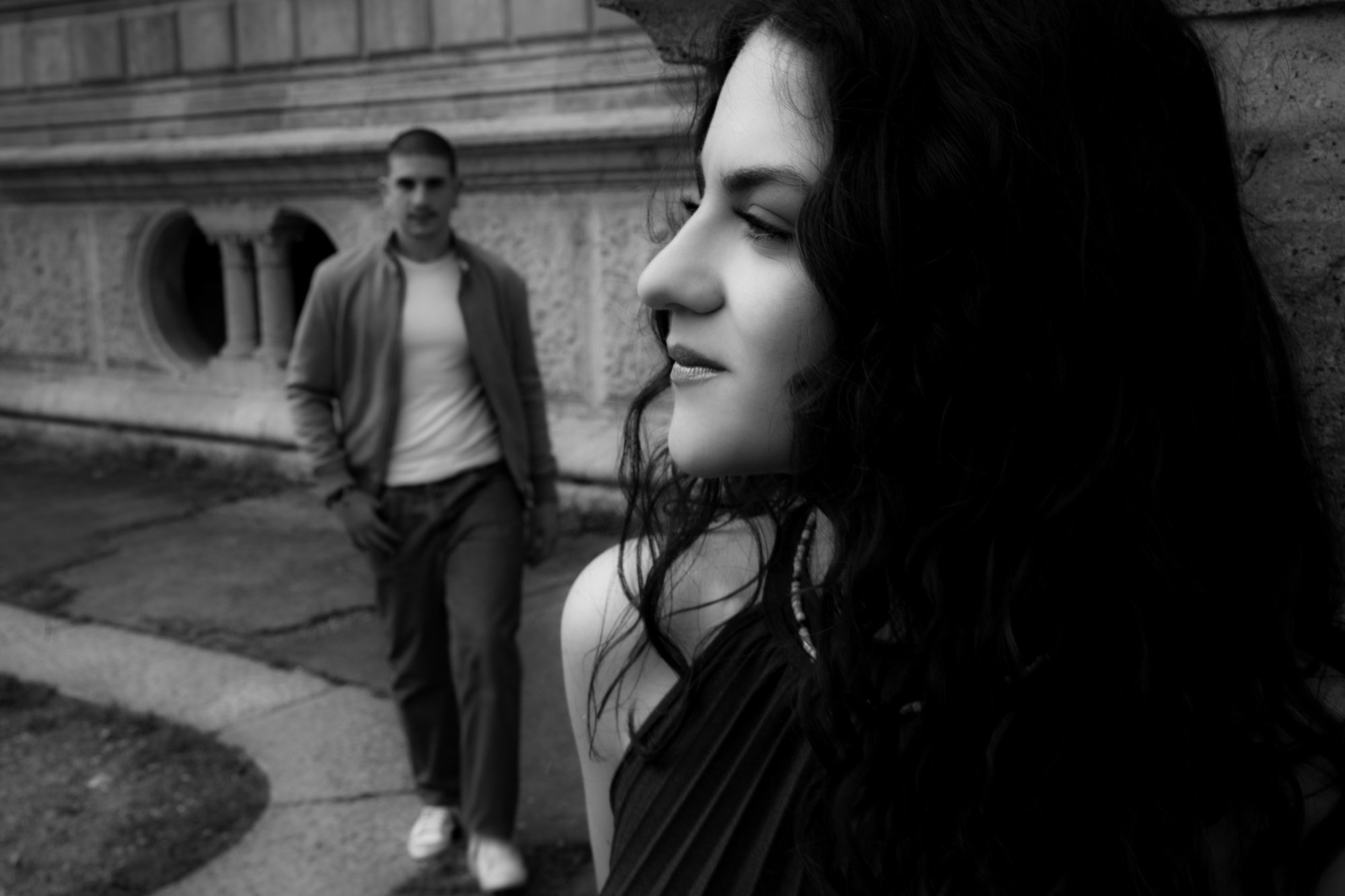
Real shots from Milan
Why Milan works when you only have one evening
Linate sits on the M4 metro: you land, take one line, and you are at San Babila in about twelve minutes, five minutes' walk from the Duomo. Malpensa is a little under forty minutes on the Malpensa Express into Cadorna, closer to fifty into Centrale. High-speed rail puts Rome three hours away, Florence under two, Venice two and a half, Turin one. A business trip with one free evening is genuinely enough here, which is not true of most Italian cities.
Do not drive in. The centre is inside Area C, the cameras are automatic and unsentimental, and everything worth photographing is a metro stop apart. Walking distances from Piazza del Duomo:
- Brera: 10-12 minutes
- Navigli, at Porta Genova: 25-30 minutes on foot, or ten by metro, M1 to Cadorna and change to M2
- Gae Aulenti: 25 minutes on foot, or three stops on M3 to Repubblica and five more minutes on foot
- CityLife: M1 to Amendola or M5 to Tre Torri, about fifteen minutes door to door
Hence the only planning rule that matters. One hour is one zone. Two hours is two zones with a metro ride between them. Anyone promising the Duomo, Brera, the Navigli and CityLife in ninety minutes is selling a taxi tour with a camera in it.
The cathedral faces west
That one fact organises the day. In the morning the façade sits in its own shadow: the sun is behind the building, and everything landing on the marble is open sky. Flat, even, no contrast to fight — and the square is empty. Between roughly 06:30 and 08:00 in summer, 08:00 and 09:30 in winter, Piazza del Duomo belongs to delivery vans, a street sweeper and the pigeons. You can stand two people in the middle of it with the whole façade behind them and nothing else in frame. Try that at eleven and you have four hundred strangers plus a man trying to tie a bracelet onto your client's wrist.
Late afternoon is the other window. The façade takes direct sun and the Candoglia marble goes from grey-white to a warm pink nobody expects from Milan. The square is full by then, so go tight: client filling the frame, marble as texture, the crowd rendered as soft nothing at f/1.8.
The apse, round the back on the Piazza Fontana side, catches the first sun of the day and has almost nobody in front of it, ever. It is the most underused wall in the city.
The Galleria: two good windows, no tripods
Around the middle of the day the sun climbs high enough to come through the glass dome over the octagon and lay a hard patch of light on the mosaic floor. That is the postcard, it is real, and it does not last long. You will queue for the middle of that floor whatever the hour: the Turin coat of arms is set into the mosaic there and somebody is always spinning a heel on the bull. The other window is the opposite of the first — seven in the morning, shutters down, the floor still wet from the cleaners, one person walking the length of the glass vault with nobody behind them.
The rules that get enforced: no tripods, no light stands, do not block a shopfront. Private security walks the arcade constantly and stays polite until something unfolds. One camera on a strap and a pace that never stops, and you are a tourist. Commercial productions need permission from the Comune — a couple in good clothes is not one, but a light stand makes it look like one.
The roof is the real reason to come
The terraces are the best twenty minutes of photography in Milan and the only place where the architecture is close enough to touch: flying buttresses either side, 135 spires overhead, white marble underfoot, the Po plain flat to the horizon and, on a clear morning after winter rain, the Alps drawn along the top of it.
- Tickets are timed. Take the first slot of the morning or the last two hours; midday is a queue that moves in lurches.
- Lift or stairs, roughly 250 steps. Say that out loud to anyone in a long dress before you sell them the idea.
- No tripods, no stands, and it is not a negotiation.
- There is a security check at the entrance, so travel light: one body, two lenses, no cases. If you are going inside the cathedral as well, shoulders and knees covered — that one is enforced at the door.
- The terraces close in high wind and heavy rain, and wet marble is genuinely slippery.
- The walkways are narrow: shoot vertical, go wide, and put strangers small and far away while the spires do the work.
Last light in summer, marble going warm and the sky behind the spires still blue, is the frame people print.
Brera, before the tables come out
Via Fiori Chiari, Via Madonnina, Via Formentini: ivy on ochre render, wisteria in late April, cobbles — and terrace tables down both sides of every lane, which come out towards midday and go back in at midnight. Brera is an 08:00 to 11:00 location and that is the whole schedule.
The lanes are narrow enough that the sky works as a softbox: bounced light, no hard shadows, forgiving for people who are not used to being photographed. If you want green, the Orto Botanico inside the Brera palace is a quiet rectangle in the middle of it — check the day and the hours first, it keeps museum hours, not park hours. And tell clients about the cobbles. Heels and Brera do not get along, and that conversation goes better before the shoot than during it.
What clients say about this kind of shoot
Yana was incredible to work with during our Rome photoshoot. She made the experience fun and relaxed, and the photos turned out beautifully—natural, romantic, and full of emotion. We're so grateful to have these memories captured so perfectly. Thank you Yana!
— Nerissa & Aveer on Yana V.
Grazie mille for taking our ceremony video and taking pictures at the same time. I will forever cherish this moment. Thank you for making it possible and being a part of our new journey. Grazie for making us feel comfortable with you throughout our photoshoot❤️ Thank you so much, your work is really remarkable. I love all the photos, thank you thank you thank you! ❤️
— Kim & Keith on Yana V.
I have already had a first look at the photos and i was immediately blown away – wow! The pictures are absolutely beautiful and, above all, so authentic. Thank you again for all the effort you put into this – we truly appreciate it. We're really looking forward to going through all the photos again later in peace. Thank you so, so much! 🤩🤩🤩
— Eda & Emrecan on Yana V.
The photoshoot was so much fun and Yana is very talented. We plan to print our photos and hang them in our wedding reception as well as in our home.
— Alyssa & Mihir on Yana V.
It was such a great experience for us. Yana was very kind and supportive. Beside having perfect photos, we had so much fun. Thank youuu
— Ceren & Göksun on Yana V.
We just had a look at them together! We love them! You captured so many amazing memories, thank you so much!! Thank you so much for being part of our special day last week, we had such an amazing time with you and Anastasia. Thanks for sending the photos over 😊.
— Ryan & Sydney on Yana V.
Navigli at dusk
The picture here is the water: still, dark, covered in reflected bar signs the moment the sun drops. Blue hour is short, so be early. The small iron footbridges give height and one clean line across the frame, and Vicolo dei Lavandai, the old washhouse on the Naviglio Grande, is the only stretch that still looks nineteenth century.
Two things people forget when they book. The aperitivo crowd arrives around 18:30 and by 20:00 in summer the banks are shoulder to shoulder — shoot before it, or use it: a couple standing still inside a moving crowd, on a long exposure, is often the stronger picture. And the canals are drained for maintenance for a few weeks most years, usually in spring. A drained Naviglio is a channel of mud, so check before you build a shoot around a reflection.
For anyone who does not want a postcard
CityLife is three towers by Isozaki, Hadid and Libeskind — straight, twisted, curved, and the local nicknames say exactly that. The point is the reflections between them in the last hour of sun. The white undulating balconies of the Hadid residences read better under flat overcast than in direct sun, which blows the white out. M5 to Tre Torri puts you at their feet.
Porta Nuova is Piazza Gae Aulenti, a raised ring of glass with fountain jets and the UniCredit spire, plus the Bosco Verticale next door, best framed from the BAM park side. Blue hour here is the strongest twenty minutes of modern Milan. Warn clients that the Bosco Verticale is bare from November to March: it is a vertical forest about seven months a year, and February pictures surprise people who had July in mind.
Both squares are privately managed public space; security lets you work handheld and stops a light stand inside ninety seconds. They are also the two places where business portraits make sense — for a professional profile, glass, steel and negative space do more than a cathedral does.
Weather, and a spare day
Milan sits on a humid plain. Summer is hazy and half the city leaves in August, which is a gift: shuttered shops, empty streets, workable light at seven in the morning. Autumn and winter bring low grey skies, and that is not a problem — flat white light is exactly what marble and glass want. The only thing that photographs badly here is the Tuscany you were expecting.
With a spare day, take the train to Lake Como: Centrale to Como San Giovanni in about forty minutes, flat plain to mountains and water in the time it takes to drink a coffee.
What it costs
A shoot in Milan starts at EUR 460 for one hour and EUR 690 for two, all-in — the price you see is the price you pay.
One hour covers one zone properly: the Duomo and the Galleria, or Brera, or the Navigli at blue hour. Two hours is the sensible choice for a couples shoot if you want both the marble and the water, with the metro ride in the middle acting as a break. Three hours is for people who want the roof as well, and the roof is worth the climb.
Frequently asked questions
When is Piazza del Duomo in Milan empty for photos?
Between roughly 06:30 and 08:00 in summer and 08:00 and 09:30 in winter, when the square belongs to delivery vans, a street sweeper and the pigeons, and the west-facing façade sits in flat, even shadow light. Late afternoon is the other window, when the Candoglia marble goes warm pink in direct sun – but the square is full by then, so go tight.
Are tripods allowed on the Duomo terraces in Milan?
No tripods, no stands, and it is not a negotiation; there is a security check at the entrance, so travel with one body and two lenses. Tickets are timed – take the first slot of the morning or the last two hours – and it is roughly 250 steps or the lift. The terraces close in high wind and heavy rain.
How many areas of Milan can you cover in one hour?
One zone: the Duomo and the Galleria, or Brera, or the Navigli at blue hour. Two hours is two zones with a metro ride between them, and anyone promising the Duomo, Brera, the Navigli and CityLife in ninety minutes is selling a taxi tour with a camera in it. A shoot starts from €460 for one hour, all-in.
Want professional photos in Milan?
Browse portfolios, compare packages, and book a verified local photographer in minutes.