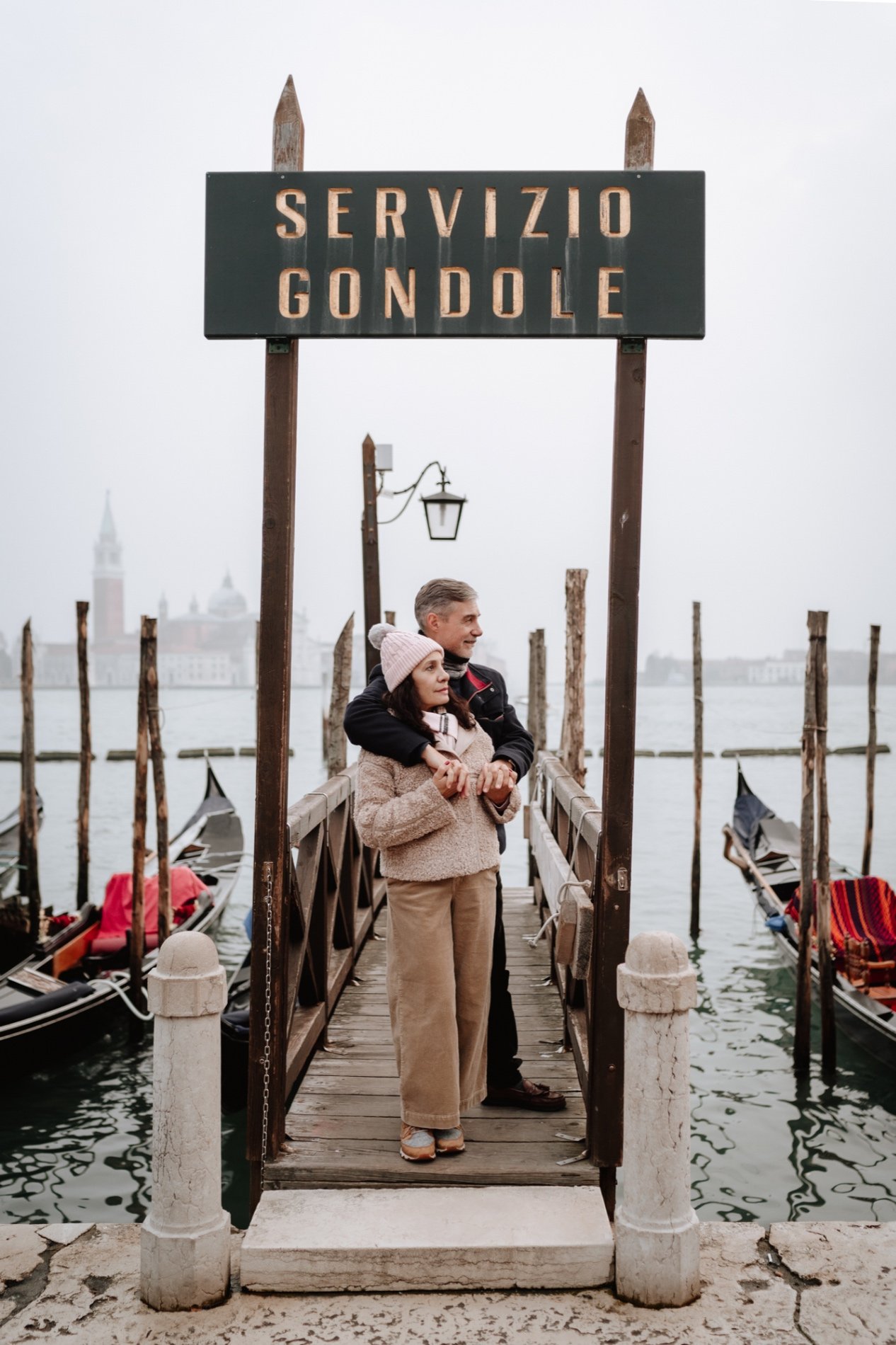
Photographing Venice: Light, Water and the Hours That Matter
The vaporetti start around five. By seven the barges are unloading crates onto the fondamente, the shutters are up on the bars, and Piazza San Marco is empty enough that you can read the pattern in the paving. Two hours later the same square holds a few thousand people and a queue bending around the Basilica. Very little photographs well in the second version of that day.
That gap is the whole guide: which sestiere at which hour, and how long the water stays still. Booking sits on the Venice page; this is about light, water and timing.
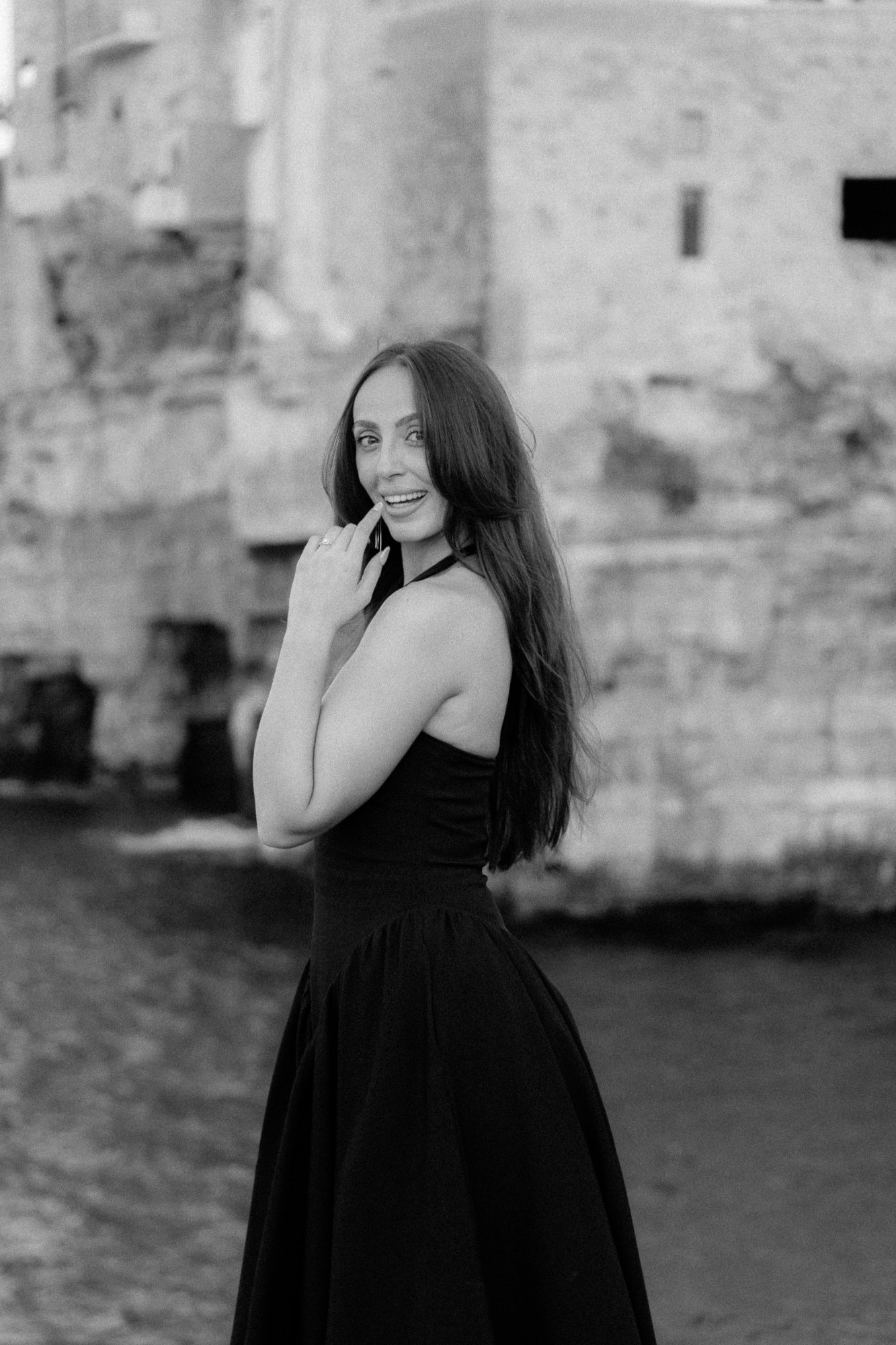
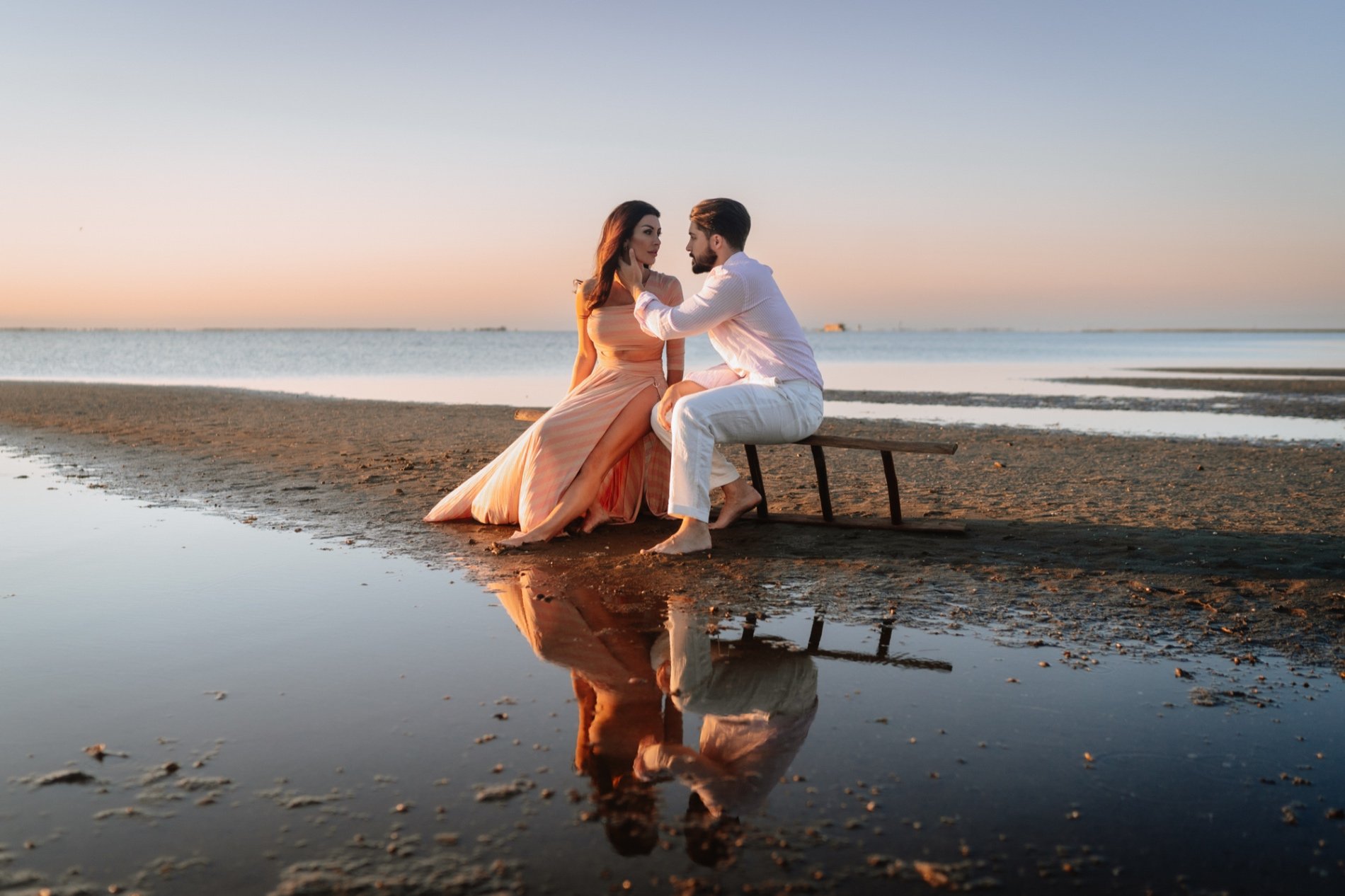
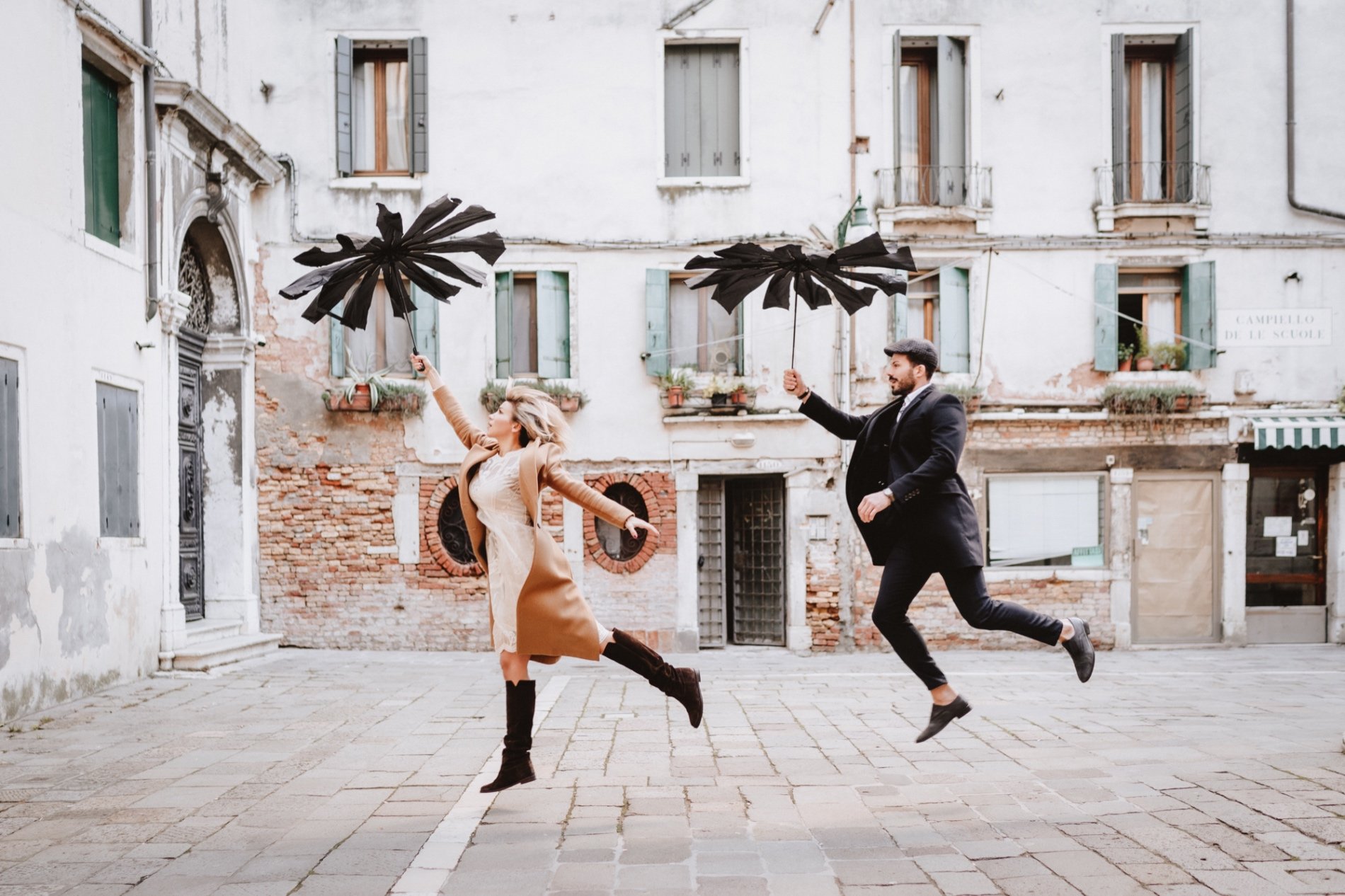
Real shots from Venice
Seven in the morning is a different city
Set the alarm for the hour that feels unreasonable and Venice is yours for ninety minutes. In summer the Piazza starts filling around a quarter past eight, once the first trains and the Piazzale Roma coaches have emptied; in winter it can stay thin until ten. The Piazzetta, the two columns, the arcade of the Doge's Palace and the Molo facing San Giorgio are within a minute of each other, so one early start covers the famous frames and lets you leave them behind.
Direction matters here more than almost anywhere. From the Molo the water runs away to the south-east, down the Bacino. In December the sun comes up out of the lagoon over the Lido, just left of San Giorgio, and lands almost square on the Molo front of the Doge's Palace: half an hour of warm stone. In June it rises far round to the left, over the Arsenale and the roofs of Castello, so that front stays in flat shade until mid-morning and the first light goes to the water and the tops of the campanili. Either way you have about forty minutes before the Istrian stone goes white and stops holding detail.
Then walk. Riva degli Schiavoni, east towards the Arsenale, stays empty far longer than the Piazza and is wide enough to shoot at 85mm without backing into a canal.
The reflections are a schedule, not a place
An unbroken mirror in the small canals is a time of day, not a location. Until about half past seven the narrow rii hold the facades whole, upside down, with no seam. One delivery barge wipes it out, and in a canal three or four metres wide the surface needs three to six minutes to settle. The skill is waiting, not walking to the next bridge.
The stretches that reward it: Rio de San Trovaso by the squero, Rio de la Toletta, Rio de San Barnaba, and in Cannaregio the long run of Fondamenta de la Misericordia into Rio de la Sensa.
Wind ruins reflections faster than boats do: on a breezy morning work the tight canals, where the buildings shelter the water, and leave the Zattere and the Fondamente Nove for the afternoon.
Dorsoduro and Cannaregio stay quiet all day
If your only slot is late morning or afternoon, go where the day-trip route does not. These two sestieri carry ordinary Venetian life at every hour, and photograph like it.
- Zattere, early afternoon: south-facing across the Giudecca canal — open sky, a very long uninterrupted fondamenta, and real distance behind your subjects, which is scarce here.
- Squero di San Trovaso, where gondolas are still built and repaired: shoot it across the rio, from the fondamenta by the church. The yard is a workplace, not an attraction.
- Campo San Barnaba and the bridges either side: compact, contained, and the vegetable barge in the rio is genuinely still trading.
- Fondamente Nove, facing north across the water to San Michele: soft light all day, a hard clean horizon, and almost nobody.
- Sacca della Misericordia and the Ghetto: the tallest houses in the city, deep shade, and straight fondamente to shoot down in one long line.
Bridges follow the same logic. Twenty people are framing the Salute from the Accademia at any moment; Ponte Chiodo in Cannaregio has no parapet at all, and since its far end is a private house you work it from the fondamenta. Ponte dei Pugni, Ponte de le Guglie and the long Giudecca bridges give the same angle without the scrum.
Autumn and winter are the best conditions of the year
From November into February the lagoon makes mist. Some mornings it is a thin haze separating one campanile from the next; some mornings you cannot see across the bacino. Both are useful. Fog turns the sky into one enormous softbox — no squinting, no hard shadow under the eyes, skin that needs almost nothing afterwards. It also does what no lens can: it deletes the background. A figure fifteen metres away is detached from everything behind them.
The other winter gift is the sun's angle: in January it never climbs far, so the light that costs a five o'clock alarm in July turns up at half past three.
If you have any freedom in when you come, come between mid-November and the end of February. Emptier, softer, and the city stops performing.
Dress for the wind, not the temperature: the Fondamente Nove and the Zattere are exposed, and a bora morning is colder than the forecast suggests. Keep a coat with whoever is not in the frame.
What clients say about this kind of shoot
I contacted Marco to get a new profile picture. From our very first phone call, Marco was incredibly helpful and gave me advice and insights on how to achieve what I wanted. We met up to take the photos in some interesting urban settings; he was great at making me feel at ease and bringing out what I wanted to express through the photo. The shoot was quick but very productive, and the next day he sent me several high-quality photos that I’ll be able to use for various purposes. Highly recommended.
— Laurent C. on Brunetto Z.
Wonderful experience! We loved having Marco as the photographer for our special day. He and his son had such warmth about them and made us feel comfortable. The delivery of the photos was so quick and we absolutely love the outcome! He captured all the smiles, tears, laughter and love while being so professional, gentle and discreet. We had a bit of a language barrier which made the interactions even more fun. He was supportive through all our requests with a smile on his face. Grazie Marco! Thank you for being a part of our wedding and blessing us with your talent!
— Neriana F. on Marco M.
My husband and I are simply blown away by how amazing the photos of our wedding in Tuscany turned out! They are unique, artistic, truly special and edited to perfection. We loved working with them and highly recommend them to anybody getting married or having a special event in the area.
— Alexandra S. on Marco M.
Yana was incredible to work with during our Rome photoshoot. She made the experience fun and relaxed, and the photos turned out beautifully—natural, romantic, and full of emotion. We're so grateful to have these memories captured so perfectly. Thank you Yana!
— Nerissa & Aveer on Yana V.
Choosing Marco and his team for our wedding was one of the best decisions we could have made! A fantastic photographer, extremely good and professional. From the very first moment he made us feel completely at ease, and on the wedding day he was impeccable in every respect. He managed to catch emotions, details and spontaneous moments without ever being intrusive, telling the story of our day in an authentic, special way. The photos are wonderful and every time we look at them we're moved all over again, reliving those unique moments. We'd choose him a thousand times over!
— Barbara A. on Marco M.
Grazie mille for taking our ceremony video and taking pictures at the same time. I will forever cherish this moment. Thank you for making it possible and being a part of our new journey. Grazie for making us feel comfortable with you throughout our photoshoot❤️ Thank you so much, your work is really remarkable. I love all the photos, thank you thank you thank you! ❤️
— Kim & Keith on Yana V.
Acqua alta, honestly
High water runs from autumn into early spring, with the biggest tides between late October and December. It is forecast, not sprung on you: the city's tide office publishes predictions days ahead, and sirens sound before a big peak. The MOSE barriers have shut the lagoon off from the sea since 2020, so serious floods are rarer — but they go up for the big tides, not the middling ones, and Piazza San Marco is the lowest ground in the city. An ordinary autumn tide still wets it.
For a shoot:
- A tide of 90 to 100 cm lays a shallow film over the Piazza and almost nowhere else, and that film is one of the best pictures in Italy: the Basilica doubled, upside down, in two centimetres of water.
- Above that the raised walkways come out: single file, and the queue along them is the opposite of romantic.
- Shoes and hems get wet regardless; the plastic over-boots sold on the day hold up until you go looking for deeper water.
- The tide runs on a roughly six-hour cycle: if the peak lands at eight, starting at six or waiting until eleven usually gets you dry stone in the same spot.
Check the forecast the evening before and again at breakfast, and make the call with your photographer.
The practical things that go wrong
There are no cars: everything is carried, over bridges and up steps. Count the bridges between where you get ready and where you start, and keep the number small. Walk in flats and change on location. A water taxi is expensive and booked separately, but it moves a long dress across the city in ten minutes and hands you the bacino from the water.
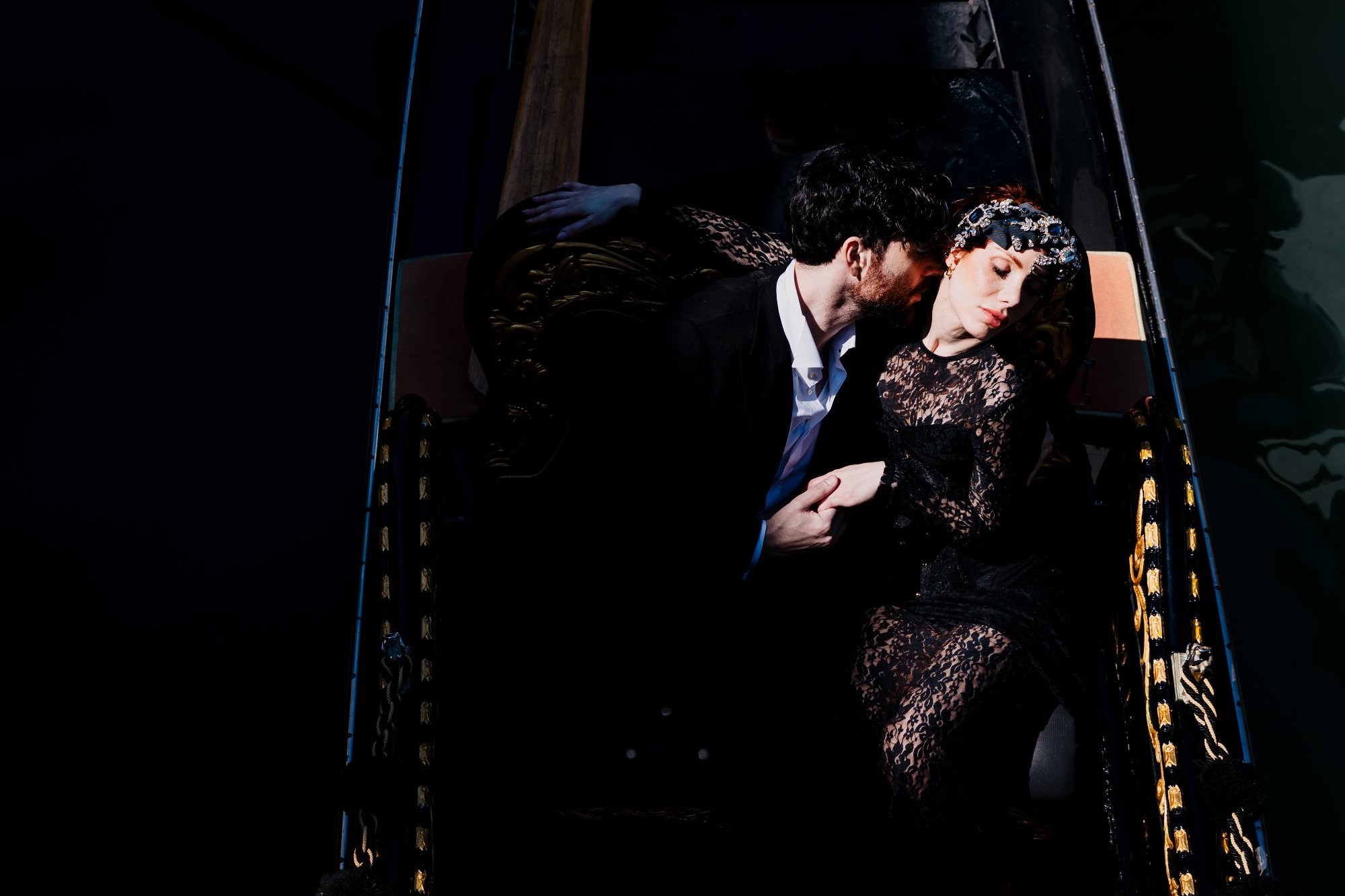
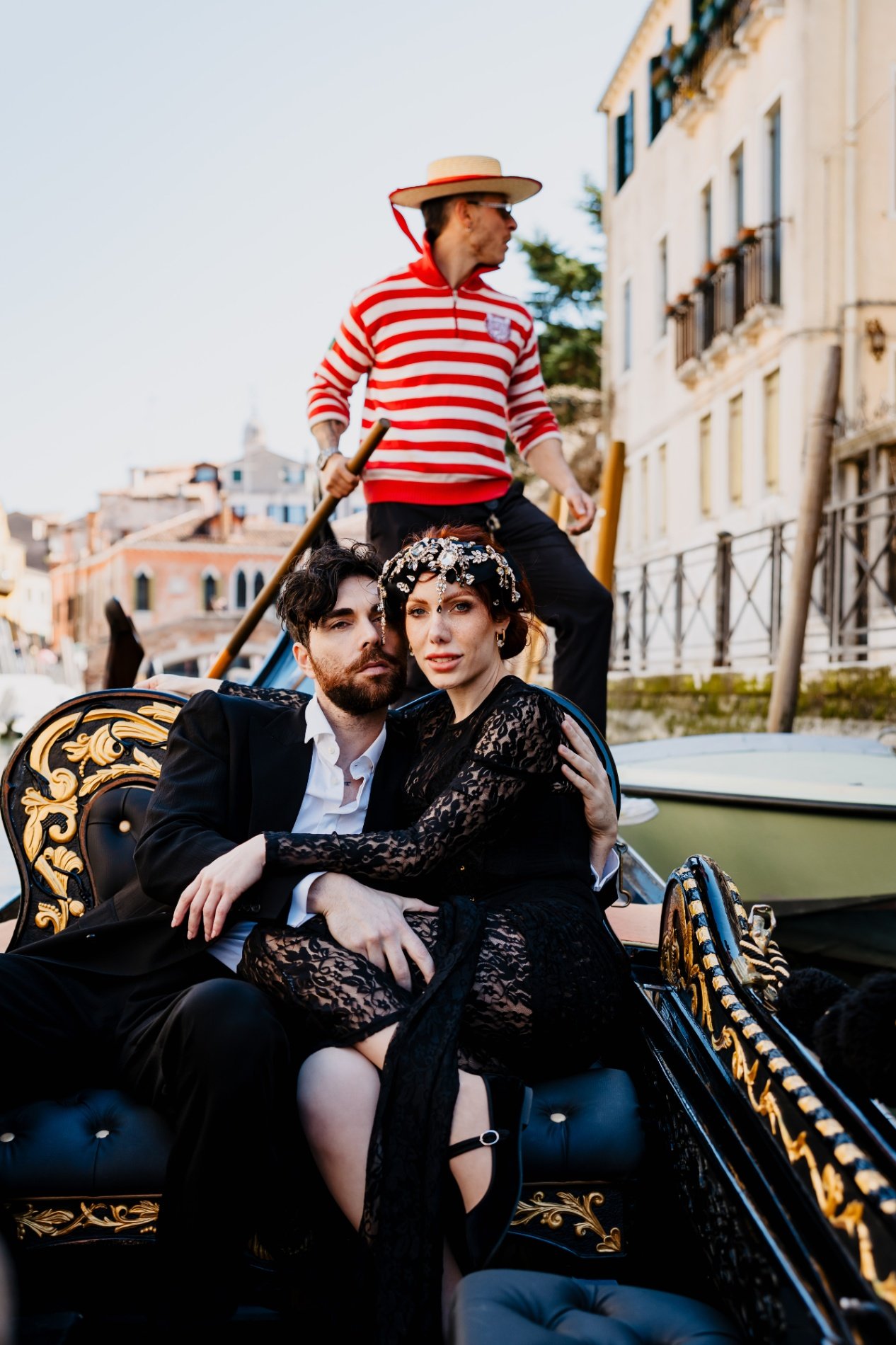
A gondola is arranged with the gondolier: the fare is set by the city and paid to him, separately from the session. Drones are not an option over the historic centre. A couple with one photographer is not a production and nobody minds; arrive with light stands and an assistant and you will be asked what you are doing. On designated days, visitors not staying overnight pay the city's access fee, booked online before you travel.
How long to book
| Length | Price | What it actually buys |
|---|---|---|
| 1 hour | from EUR 450 | One area at first light: the Piazza and the Riva, or Dorsoduro. |
| 2 hours | from EUR 680 | Across the Grand Canal: the Piazza at dawn, then quiet canals in Dorsoduro or Cannaregio, with a change of clothes. |
| 3 hours | from EUR 920 | Sunrise to mid-morning, two sestieri, and a leg by boat if you want one (taxi booked and paid separately). |
Two hours is the honest minimum for a first visit: Venice is walked, not driven, and a third of a single hour goes on bridges. For couples the early slot is worth the alarm on its own; a honeymoon gets the rest of the day back, with the pictures already finished; a dawn proposal gets no audience. If Venice is one stop on a longer route, Verona is a little over an hour away by fast train.
Come early, wait for the water to flatten, and let the fog do the retouching.
Frequently asked questions
What time is Piazza San Marco empty enough for photos?
Around seven in the morning, when the barges are unloading and the square is empty enough to read the pattern in the paving; in summer it starts filling around a quarter past eight, in winter it can stay thin until ten. You have about forty minutes before the Istrian stone goes white and stops holding detail, then walk east along Riva degli Schiavoni, which stays empty far longer.
When do the canals in Venice give a perfect reflection?
Until about half past seven in the morning the narrow rii hold the facades whole, upside down, with no seam. One delivery barge wipes it out and the surface needs three to six minutes to settle, so the skill is waiting, not walking to the next bridge. Try Rio de San Trovaso by the squero, Rio de la Toletta, Rio de San Barnaba or Fondamenta de la Misericordia in Cannaregio, and on a breezy morning stick to the tight, sheltered canals.
Does acqua alta cancel a photoshoot in Venice?
Rarely: high water runs from autumn into early spring, it is forecast days ahead by the city's tide office, and it follows a roughly six-hour cycle – if the peak lands at eight, starting at six or waiting until eleven usually gets you dry stone in the same spot. A tide of 90 to 100 cm lays a shallow film over the Piazza that doubles the Basilica upside down, one of the best pictures in Italy. Check the forecast the evening before and again at breakfast.
Want professional photos in Venice?
Browse portfolios, compare packages, and book a verified local photographer in minutes.